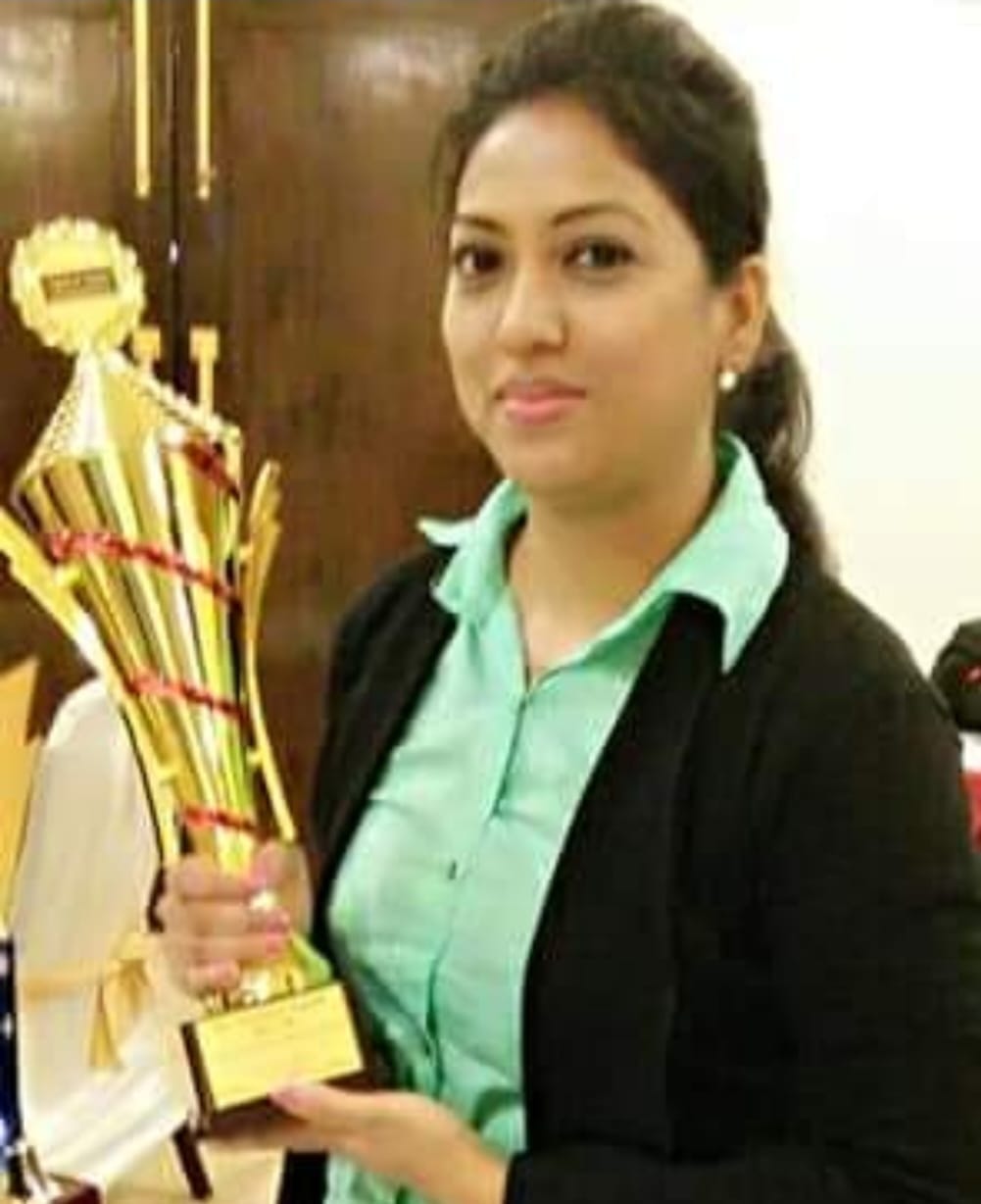
A Girl Who Wanted Everything
Snehal grew up in Ahilyanagar, a city tucked quietly between Pune and Aurangabad, known to few outside Maharashtra. She was the middle child among five sisters and one brother, raised by a government servant father and a homemaker mother who believed, above all else, that their children should be free.
Free to dance. Free to compete. Free to be loud, eager, and unapologetically themselves.
And Snehal was all of that. She describes herself as a “Chulbani type of kid”, restless, spirited, always the first to put her hand up for a school drama or a sports event. Her mother would dress her up beautifully and take her to dance competitions, cheering her on. Her father, home from government office by six each evening, would ask each child about their studies not as a threat, but as a ritual of care.
They never pressured her. They believed in her.
That belief followed Snehal when she left Ahilyanagar and came to Pune for higher studies, living in a hostel, building a life on her own terms. She was passionate about her education, serious about her career, and quietly carrying the confident certainty of a girl who had never been told she couldn’t.
“They never stopped me. Not once.”
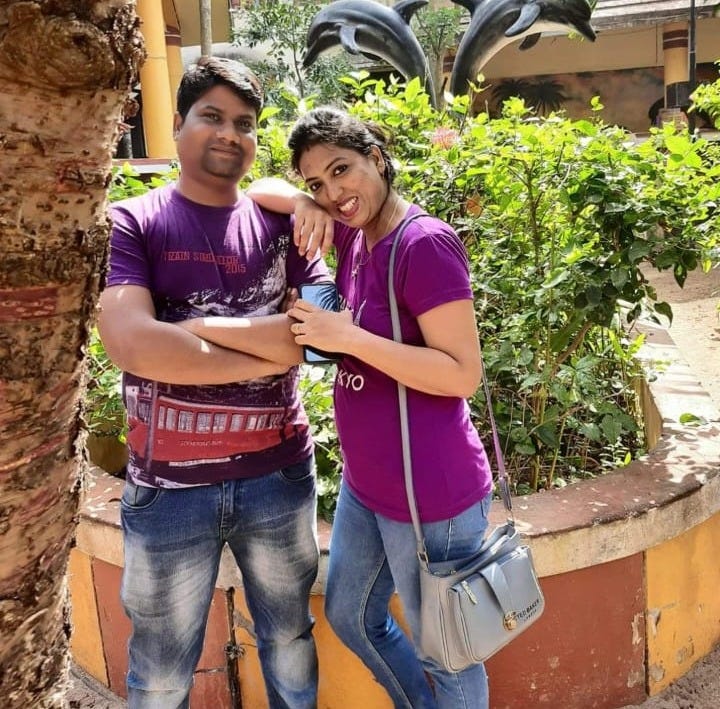
The Years That Disappeared
Marriage came at 21, arranged, but not without Snehal’s consent. She had met him. She was ready. Her parents thought: if there is a good match and she is already away from home, let her settle into something safe and loving.
And in many ways, it was. Her husband was and remains her partner, her friend, her unwavering support. She describes him plainly and with quiet pride: “He is a good husband.”
But the years immediately after marriage were not what she had imagined. The in-laws were not unkind in any obvious way she is careful to say that. They were not cruel. But they were indifferent to her in the particular way that large families sometimes are to the new woman who enters them. They cared about their son. They cared about any grandchildren that might come. They did not think very much about her.
Nobody asked how she was. Nobody noticed when she was tired. Nobody thought to say: You have just left your own home, your own life, your own ambitions, what do you need?
And so Snehal did what daughters-in-law learn to do. She folded herself smaller. She took on the responsibilities of the household, of her husband’s siblings, of their children. She stood in the kitchen when she should have been resting. She managed when no one else was managing. For nearly eight to nine years, the girl who had danced in every competition, who had come to Pune with a full heart and a plan for her career, became invisible even to herself.
“From 21 to 30,” she says quietly, “nothing was happening in my life. I did nothing for me.”
She says it without bitterness. But its weight fills the room.
If she could speak to her younger self to that 21-year-old standing at the edge of a new life she would say: look carefully at the family, not just the man. See who they make space for. See who they see.
“I did nothing for me. From 21 to 30 those years just went.
Six Months That Changed Everything
There is no gentle way to say what happened in 2019. So here it is, plainly: in the space of six months, Snehal lost her mother, lost a child she was carrying, and then lost her father. Three different griefs. Three different kinds of goodbye. And almost no time between them to come up for air.
Her mother went first. It was sudden the kind of sudden that does not give you a chance to prepare or say the right things. Her father had been unwell for a while, managing blood pressure and heart issues, and her mother had been quietly carrying the anxiety of watching him deteriorate. Then one day, the anxiety turned inward. Her blood pressure spiked. Something in her brain gave way. There was bleeding. A frantic drive to the hospital. An admission that lasted barely twenty-four hours.
And then she was gone.
Snehal had grown up in her mother’s love like a plant grows in sunlight turned toward it, fed by it, not quite aware of how much she depended on it until it disappeared. Her mother was the one who had taken her to every dance competition. The one who had powdered her face and straightened her costume and said: go, do it, you can. The one who had never once said no.
She did not have time to grieve properly before the next thing came.
Three months after her mother died, Snehal lost the baby she was carrying. A pregnancy that had been quietly precious, quietly hoped for. Gone. And with it, another piece of the future she had been trying to build.
Her father, already fragile, was not recovering from losing his wife. Grief does things to a body that medicine cannot always reach. Three months after Snehal lost her baby, her father died too.
Six months. Mother. Child. Father.
She sat with this for a moment before she spoke to us. Not dramatically. Just honestly. “That year was very depressing, tension, stressful,” she said. And then, almost as an afterthought: “I don’t know how I stood through it.”
We think she does know, somewhere inside her. Because what kept her standing was the same thing that had always kept her standing: she is, at her core, a person who does not give up. Not on her family. Not on herself. Not on the child she had not yet met but somehow, stubbornly, kept hoping for.
“Mother. Then the baby. Then my father. Six months. I don’t know how I stood through it.”
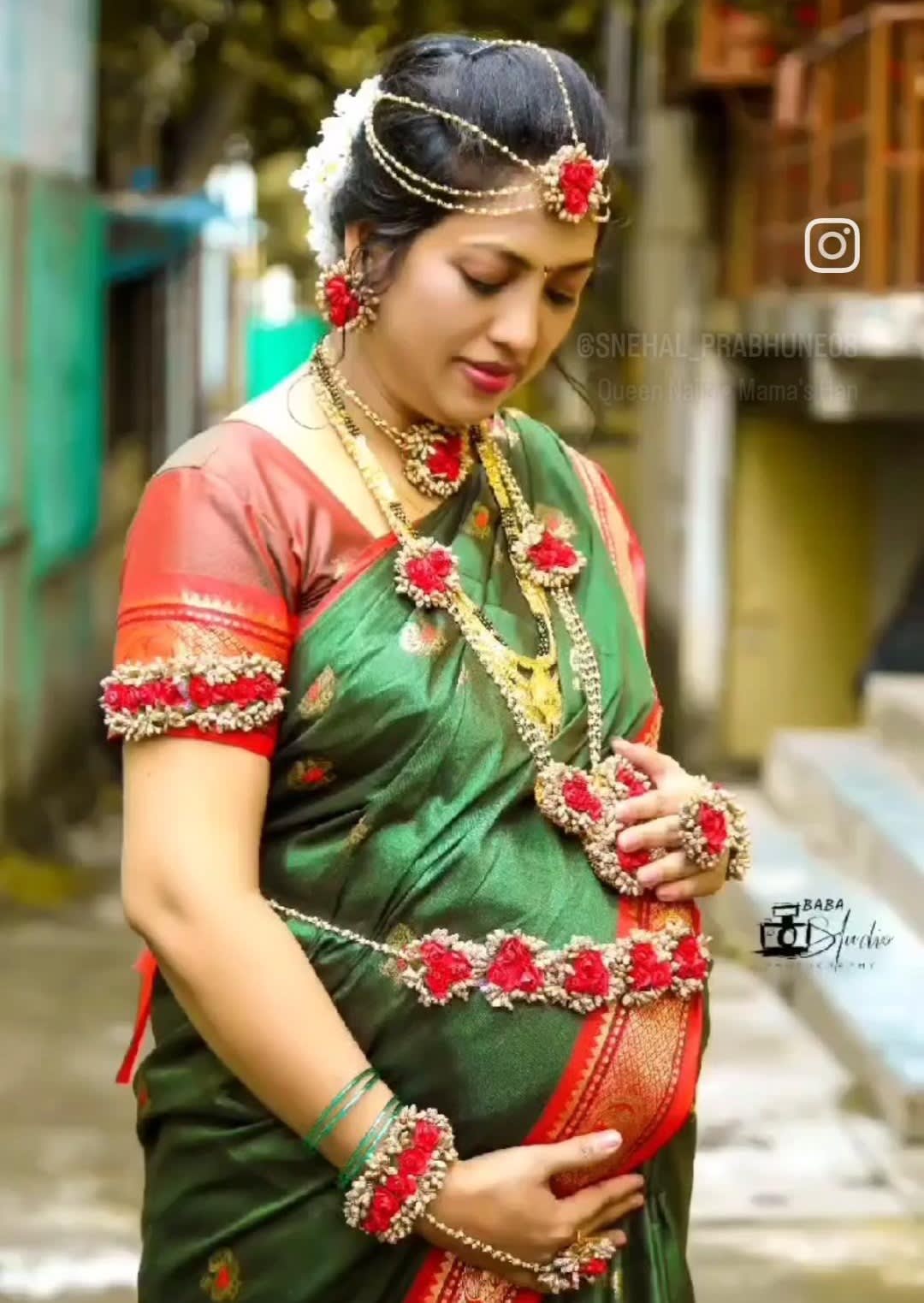
Low-Lying Placenta and the Weight of Standing
The losses had a medical name: low-lying placenta. A condition that demands rest bed rest, still rest, the kind of rest that is nearly impossible when you are responsible for an entire household and no one around you understands why you need to stop.
Her doctors had told her from her third month of pregnancy: “Lie down. But Snehal was standing. Always standing in the kitchen, in the corridors of a busy joint home, managing what needed managing because that was what was expected of her.”
And her body, as bodies do when they are not heard, responded with crisis.
The heartbeats slowed. The pain began. And then, again and again, came the moment the doctors would say: we have to deliver now.
She lost two babies this way. Every 26 to 28 weeks. Each a loss that compound upon the last.
By the time she and her husband looked at each other and said, “maybe this is just not going to happen for us,” there was very little left to hope with. The doctors said there was a chance it could happen again. Snehal quietly began to make peace with a life without a child.

Lockdown. Stillness. News.
Then the world stopped.
COVID-19 brought with it a stillness no one had asked for but that Snehal, in some quiet corner of her life, had desperately needed. No travel. No obligations. No standing in hallways managing other people’s needs. Just her, her husband, and a home that was finally, truly theirs.
In that stillness, under her doctor’s close observation, Snehal got the news.
She was pregnant.
The joy was real. And the fear was realer. Every week until the 28th was a held breath a count, a check, a prayer. Her husband cooked every meal for nine months. Every breakfast. Every evening snack. Whatever she craved sweet, salty, anything he made. He asked only one thing of her: rest. She was finally able to.
When she crossed the 28-week mark, something in her exhaled. she says. “Then after that, the pregnancy was comfortable for me.”
“He made everything. For nine months. He just asked me to rest.”

The Scariest Happy Ending
Her daughter was born via C-section, delivered early and safely, weighing 3 kilograms. Snehal had no mother to call. No elder woman to guide her through the terrifying newness of feeding and bathing a baby who had just arrived in the world. It was her and her husband, and the long corridor of a hospital, and a child who needed everything.
Twelve days after coming home, the baby stopped crying.
For four to five hours, nothing. No sound. Snehal stared at her daughter and could not understand what was happening. She thought: have I failed her already?
The hospital told them to admit the baby immediately. Her weight had fallen from 3 kilograms to 2.1. For fifteen days, she lay in the NICU while her mother stood just outside.
“I thought I failed as a mother,” Snehal says. “Whatever I wanted for so many years I got it. But I failed again.”
She did not fail. Her daughter came home.
Today, that little girl is four years old. Full of life. Full of the future Snehal built for her with broken hands and an unbreakable heart.
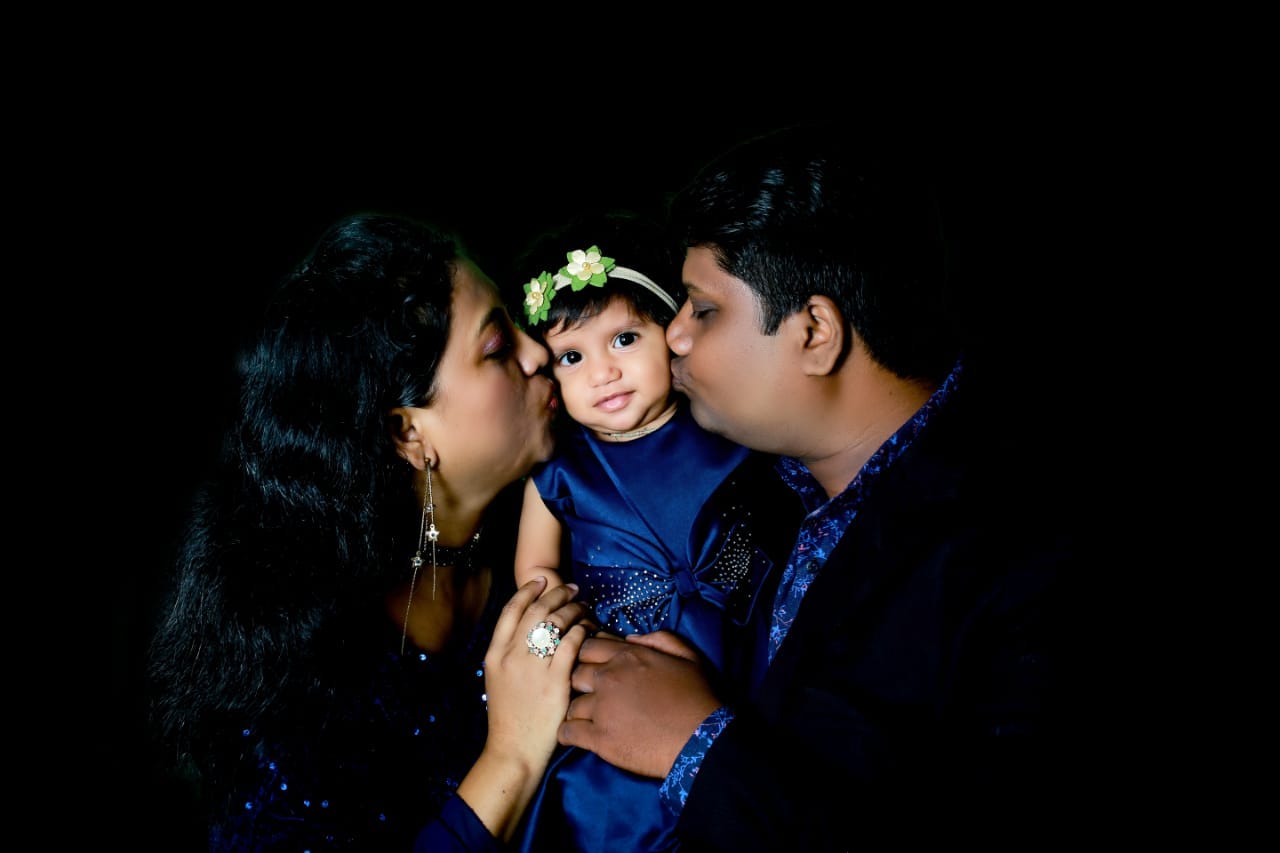
The Mother She Is Becoming
Snehal is clear about what she wants for her daughter: beautiful memories. She spoke about it just the day before her conversation with us, to her husband, late in the evening.
“I want her to be able to say, when she is 18 or 19, that her childhood was very good. Very good.”
She knows exactly what that means because she lived it herself. Parents who danced with her. A father who came home by six and asked about her notebooks. A family that loved five daughters and one son with the same fierce, uncomplicated generosity.
She is passing it on.
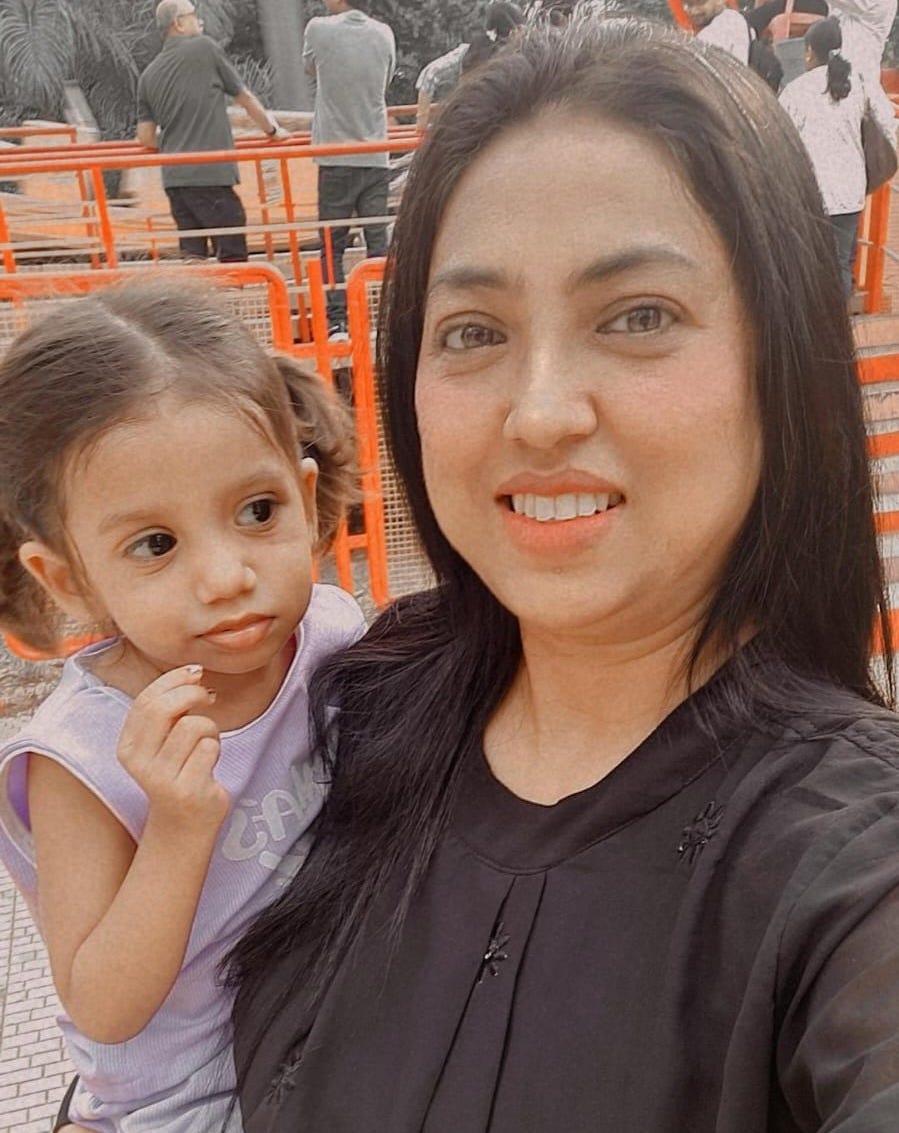
She also thinks about the load that this generation of mothers carries the career, the household, the nuclear family with no elders nearby, no support network, no village to raise the child. “We have more load,” she says plainly. “We are also working. We are taking care of our house, in-laws, and relatives. We don’t have that much support anymore.”
She knows this not from theory, but from having lived every version of it.
What She Wishes She Had Known
When Snehal thinks about her pregnancies, the ones she lost, and the one that finally stayed she thinks about how alone she felt. Not just emotionally, but practically. There was no one to tell her whether what she was feeling was normal. No one to monitor what was happening between doctor visits. No elder woman nearby to place a hand on her shoulder and say: this is okay, this is not okay, go now.
She was navigating one of the most physically and emotionally complex experiences of a woman’s life, in a nuclear home, during a pandemic, without her mother.
When she found Janitri and its products, something clicked into place. Because what Janitri offers is not just a device, it is a presence. The kind of quiet, consistent reassurance that Snehal did not have and desperately needed. A way to hear the heartbeat. A way to know, at three in the morning when fear arrives without warning, that the baby is still there, still moving, still okay.
Know More about Janitri Continuous Monitoring Solution!
“If I could have known about this product during my first pregnancy,” she says, “I would definitely have bought it.” She means it with the certainty of someone who has stood on the other side of loss and understands exactly what a little more information, a little more monitoring, a little more reassurance could have meant.
She now tells every mother she meets, friends, relatives, neighbours, anyone expecting or trying that if your pregnancy is risky, if you are alone, if you do not have elders around you, this is something worth having. Not because she works with them. But because she is a mother who knows what it feels like to be scared and unmonitored and very, very far from help.
“Even if I just say ‘you can do it, don’t worry’ to another mother,” she says, “she feels better. Because she knows: this woman has been through it. And she is still here. And she is telling me it will be okay.”
That is what Janitri is to Snehal. Not a product. A hand extended across the distance between fear and hope.
What Snehal Knows
✔ Rest is not a weakness. For some bodies, it is survival.
✔ The right partner changes everything. Not just for marriage, for pregnancy, for postpartum, for life.
✔ When choosing a partner, see the family too. Not just the person you are marrying.
✔ Nuclear families need more support systems, not less. Products, communities, and voices that show up when elders cannot.
✔ Grief and joy can exist in the same year. You do not have to choose which one defines you.
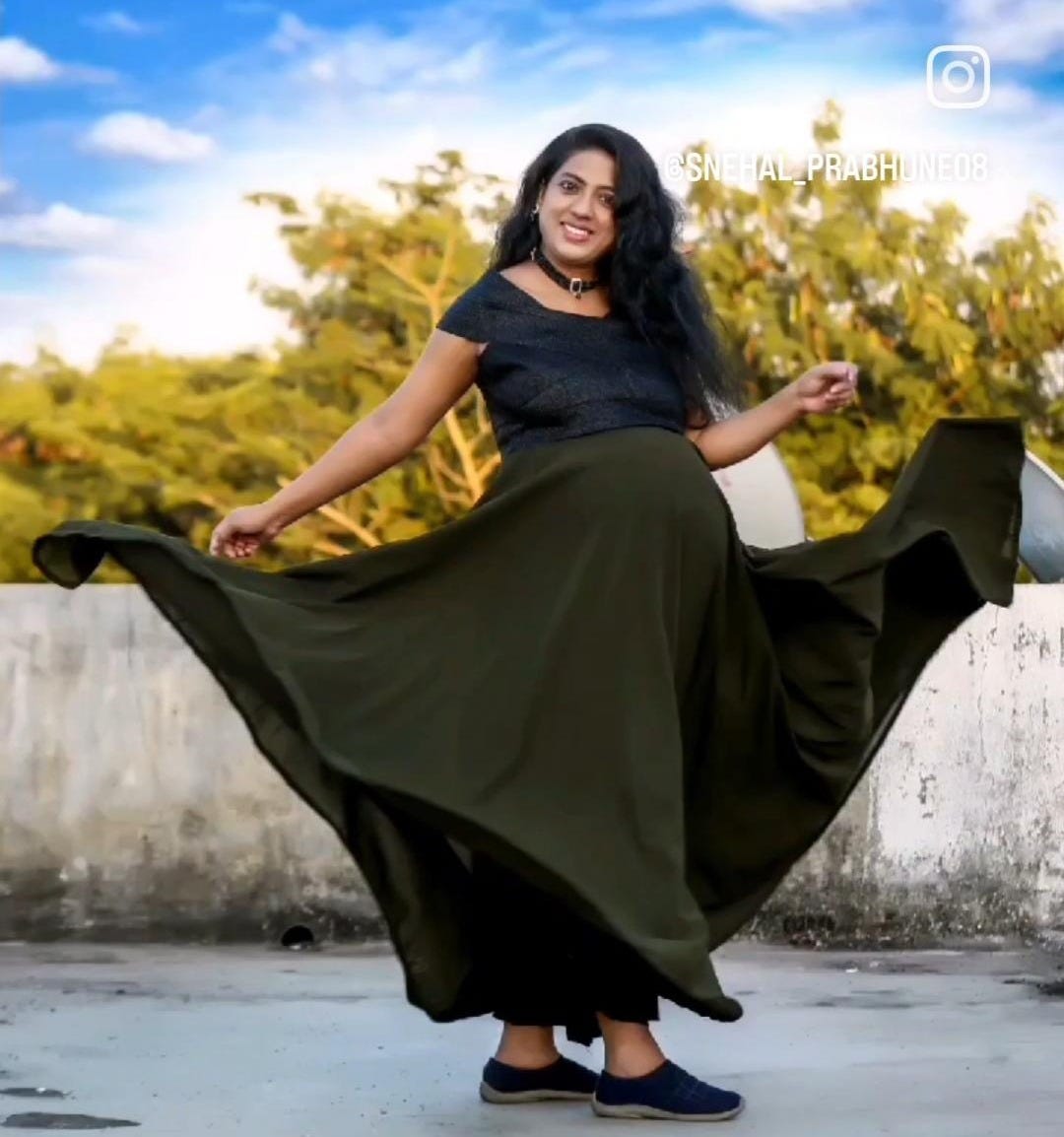
Today, Snehal’s daughter is four. Dancing, probably. Loud, hopefully. And growing up in the knowledge that she is deeply, completely wanted, her mother crossed every imaginable darkness to reach.
That is the story Snehal is writing for her now, one beautiful memory at a time.
ABOUT SNEHAL
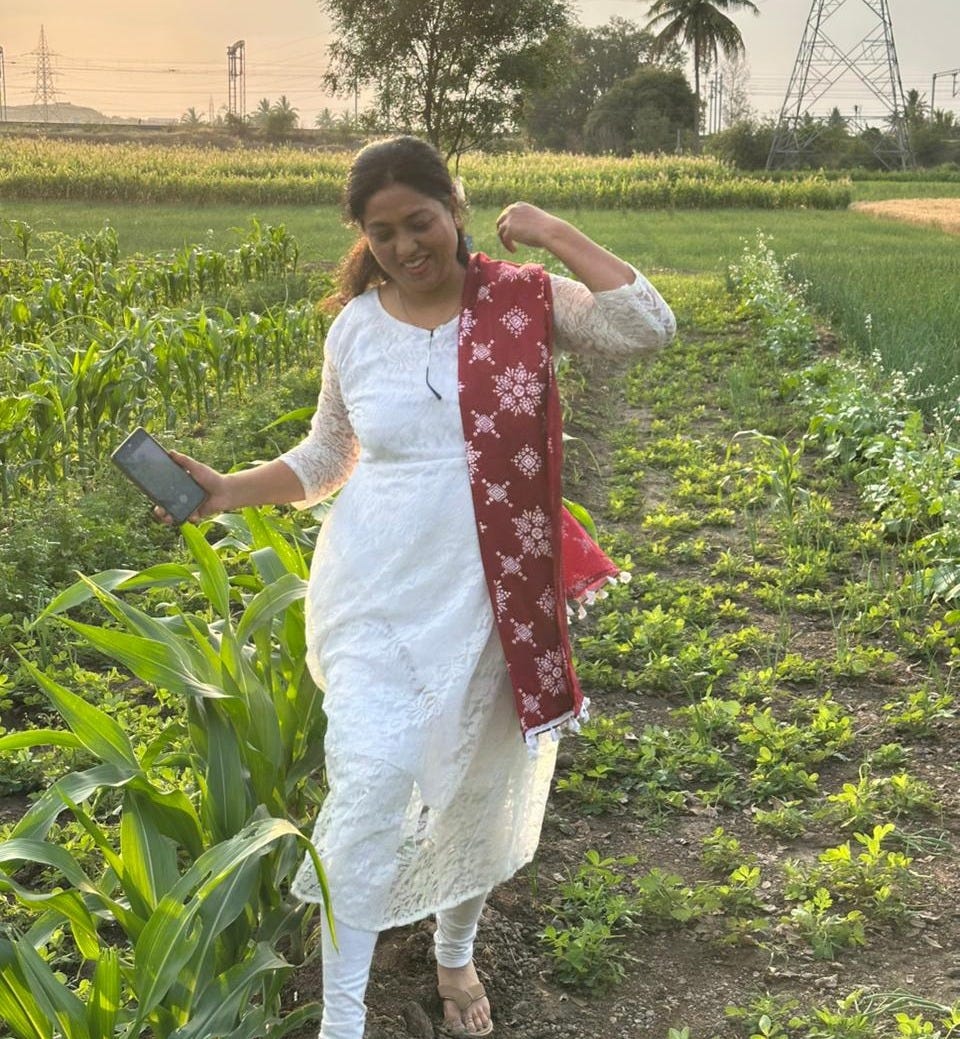
Snehal is a mother, a survivor, and a member of the Janitri team based in Pune.
She holds an experience no textbook could teach, navigating pregnancy loss, grief, and new motherhood without the support of elders, in a nuclear family, during a pandemic.
She now brings that experience to every mother she speaks with.
This story is based on a conversation between Snehal and the Janitri Club team. Her words have been lightly edited for clarity while preserving her authentic voice.
About Janitri
Janitri is built on a simple yet powerful mission: to save lives by supporting women and newborns through the critical 1,000-day journey from pregnancy to early motherhood. Every solution we create is rooted in care, early detection, and the belief that no woman should lose her life while giving life.
With this same spirit, we introduce Janitri Club, a space where we celebrate not designations, but the people behind them. The caregivers, doctors, parents, and supporters who quietly hold this journey together.
Through real stories of emotions, challenges, and victories, Janitri Club brings these voices to life, honouring their experiences and building a community that uplifts everyone who stands beside a woman in her journey.