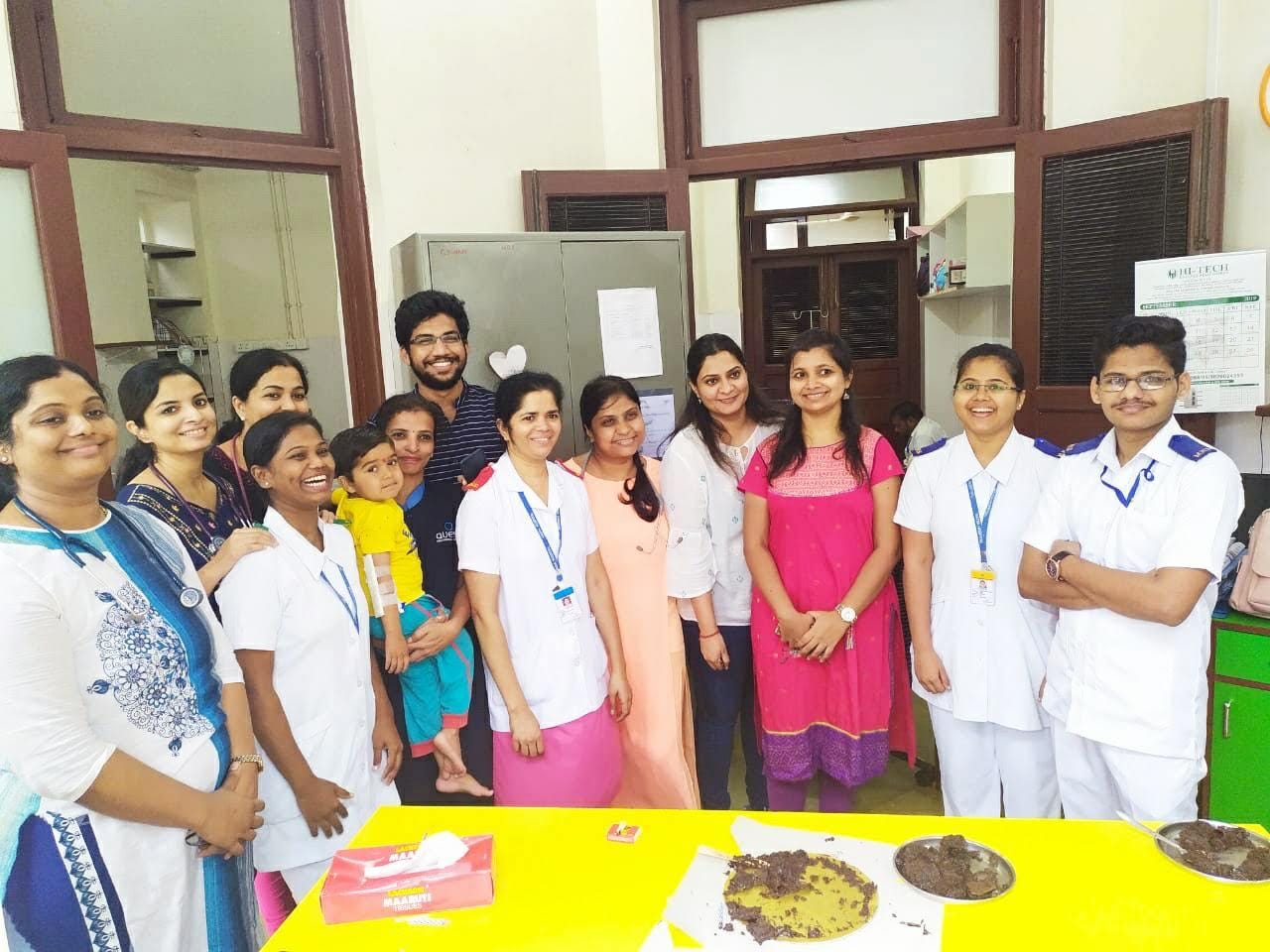
Every year, on her birthday, a message arrives.
It came the year Dr. Swati Singh got married. It came the year she had her own child. It still comes - sometimes with old photographs attached, sometimes just a few words from a mother whose daughter Dr. Swati cared for more than a decade ago, and never stopped carrying.
The girl was just five years old. And before we can understand why that bond has outlasted everything - why a mother still reaches for Dr. Swati on the happiest days of her life - we have to go back - to a Mumbai-born girl raised and schooled in Nagpur, to a business family where no one wore a white coat, to a grandfather slipping away from a disease of the liver, and to a girl who decided, long before anyone took her seriously, that she would spend her life caring for children’s livers.
This is the story of how she got there - and of the children who shaped the doctor she became.
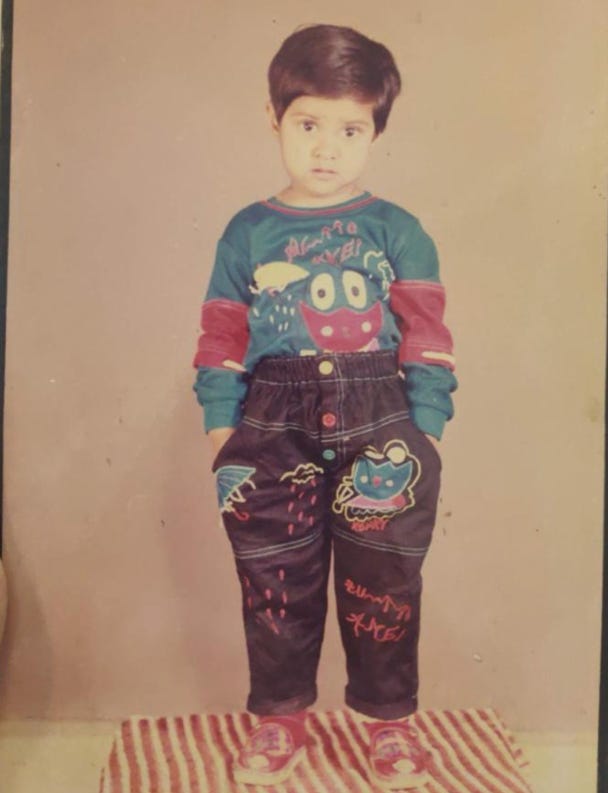
The Naughtiest Girl in the Room Was Always Sure
If you had met Swati as a child, medicine would not have been your guess.
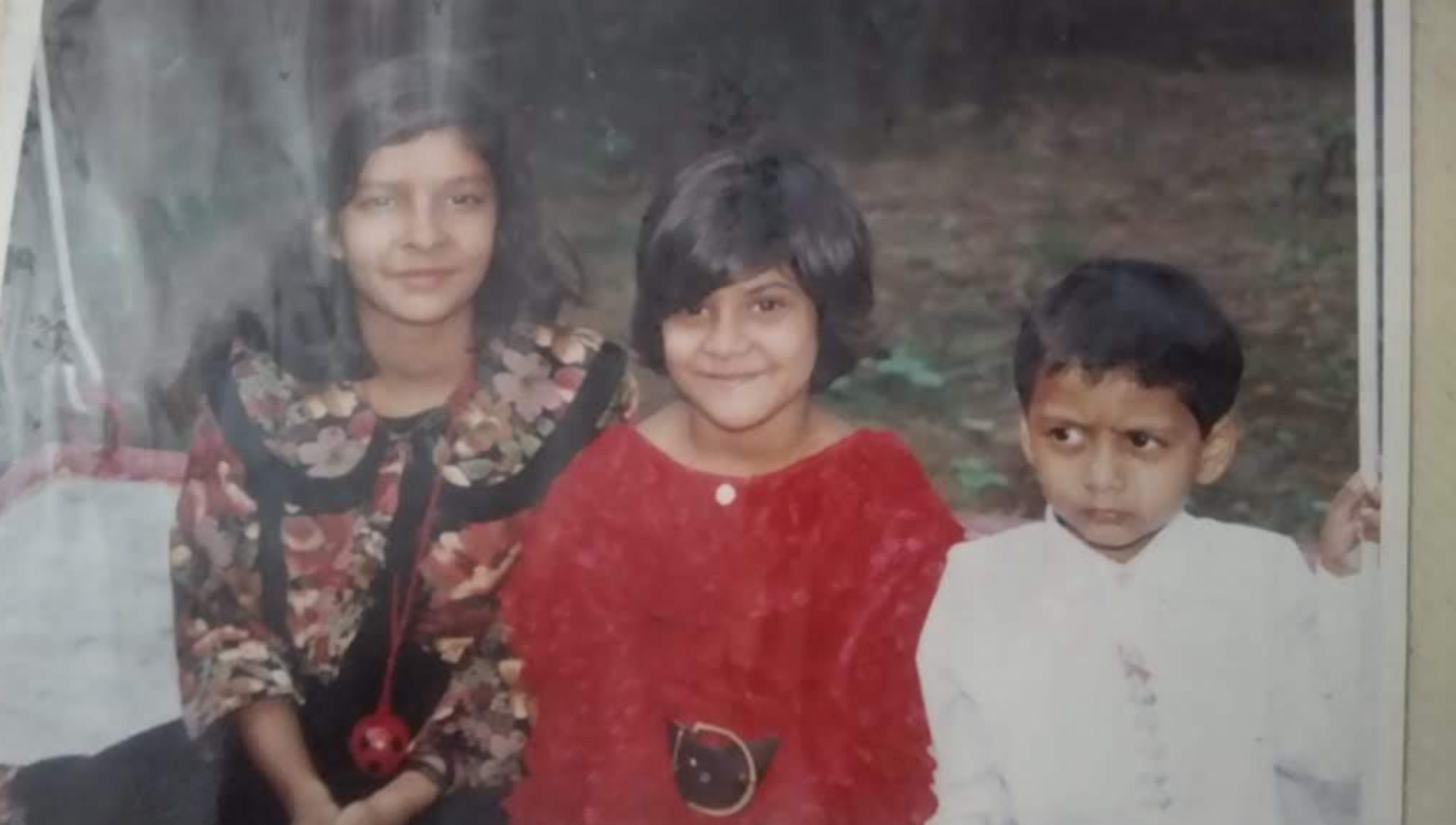
“I was very naughty, actually,” she says, almost laughing at herself. “No one would have thought that I’ll become a doctor.” She was the middle of three - an elder sister who mothered her like a baby, a younger brother she once shut out of a game so completely that her mother had to step in and teach both girls something they never forgot: even the smallest person in the room deserves to be let in. She never needed friends outside the house. With her sister and brother around, there was always someone to play with.
Naughty, yes - but quietly formidable. She was the kind of student who could study for an hour and walk out with the marks other children bled for. And underneath all of it ran a certainty that no one had handed her. Her father’s side of the family was business, all of it - no doctors, no hospitals, no path laid out. She would be the first to walk into a science classroom. She would be the first to leave home.
“Since childhood, I don’t know from where it came into me that I wanted to become a doctor. I used to tell everyone - I’ll be a doctor one day.”
After Class 10, she went straight into science and took mathematics in Class 12 alongside biology, chemistry and physics - a full slate, and a quiet safety net if the medical entrance didn’t go her way. But in her own mind, there was never really a fallback. There was only one plan.
“I was very clear. I am going to be a doctor. I will crack it.”
And then life handed her the reason that turned a child’s confidence into something nobody could shake.
Her Nanu - her maternal grandfather, a man who never once retired, who loved her own mother most of his four children, who pampered her elder sister so openly that little Swati would burn with jealousy - was living with a liver disorder. On family visits, when relatives marvelled that such a young girl was talking about medical college, he never laughed. No, he would tell them. She is going to be a doctor. And she is going to treat me.
He died two or three days before her Class 12 board examinations.
She never got to treat him. After that, there was nothing left to decide.
“That time it was a hundred percent sure. Whatever said and done - I have to be a doctor.”
Sit with what happened next, because she rarely says it out loud and may not fully see it herself: the girl who lost her grandfather to a failing liver grew up to become a pediatric hepatologist - a doctor of the liver. The disease that took the man who believed in her first became the exact corner of medicine she would devote her life to. Some people choose a specialty. Hers feels more like it chose her, in a hospital room she was too young to enter.
Lost for a Month, Saved by the Right Friends
Medical college was not a soft landing. It was a wall.
Her roommates were the daughters and granddaughters of doctors. They arrived already fluent — they knew the subjects, the rhythm of the wards, the unspoken rules. Swati, the first in her family to choose science and the first girl sent away to a hostel, knew none of it. She hadn’t even realised you had to stand in line in the mess and serve your own food. No one was coming to do it for you.
“For one month, I couldn’t understand what was going on,” she admits. The loneliness was sharp and total.
Then there was the anatomy hall. On day one, the head of department set the terms with brutal clarity: faint at the sight of a cadaver, and you’d be marked absent for five days. No fainting. No grimacing. No nervous laughter. They are your first patients, he said.
She wasn’t squeamish - never had been. What undid her wasn’t the bodies. It was being alone. And what rescued her wasn’t toughness. It was friendship.
“In college, you need a good bunch of friends. It’s not just roaming around. You have to have support - it becomes your second family there.”
Her medical-family classmates refused to let her sink. They pulled her into joint study sessions, re-explained everything she’d missed, told her plainly: It’s not tough. We can do this. Study with us. The lost girl found her feet, then found her stride.
The advice she still gives the students who feel as drowned as she once did is the advice she lived: Be patient. Do a little hard work. Everything falls into place.
The First Patient Who Couldn’t Tell Her Where It Hurt
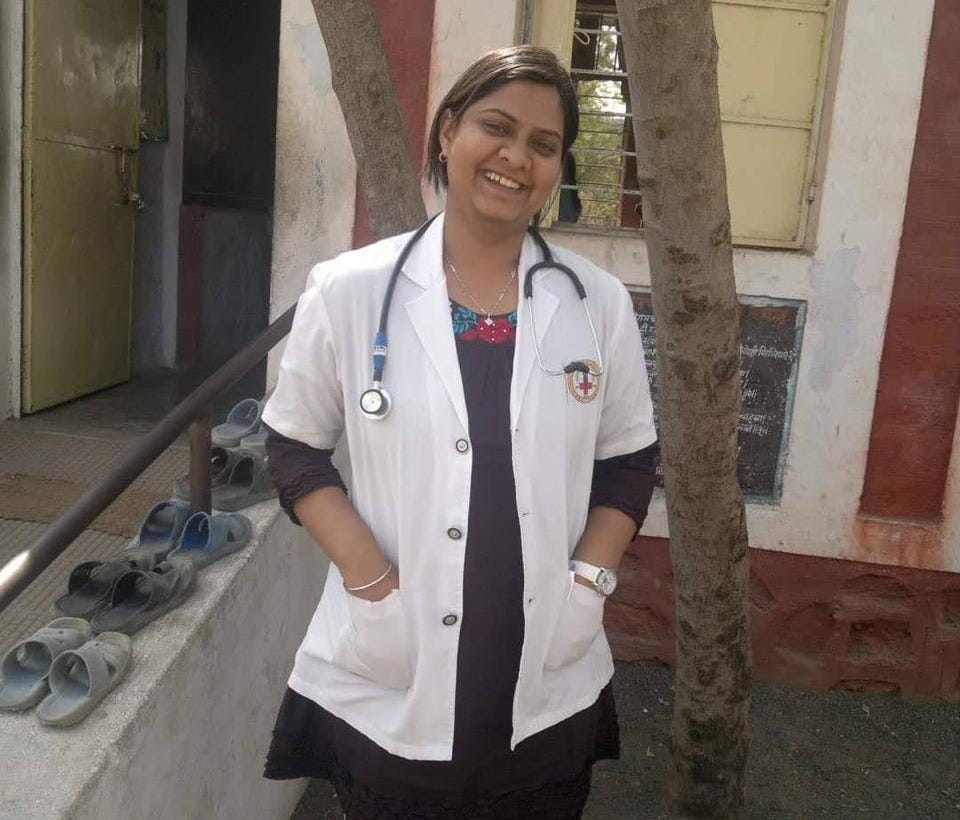
As an intern in the neonatal ICU at JNMC Wardha, she met the patient who set the direction of everything after.
A newborn had been admitted with a serious congenital defect - one linked, in this case, to a mother who had not known she needed to take folic acid during her pregnancy. He was operated on. And then, due to a complication after surgery, he was gone.
The surgery was not the hardest part. The hardest part was standing beside her seniors as they sat the parents down and explained.
Something settled into her in that room and never left. These patients could not speak. They could not point to the pain, or name the fear, or tell you what they had swallowed. A baby cries - but the cry is not the answer. The cry is only the question, and someone has to be willing to spend a career answering it.
“These babies cannot speak. They cannot tell us what they are suffering. So we have to be there - and we have to tell others what the child is going through.”
She had been drifting toward pediatrics. That baby decided it.
Nobody Teaches a Mother How to Grieve
There is a part of this work that no examination prepares you for, and Dr. Swati names it without flinching.
In our culture, she says, pregnancy is treated as one of life’s purest joys - and then, if the joy breaks, the mother is left almost entirely alone to carry the wreckage.
Picture it the way she does. A woman holds a child inside her for seven months. She delivers too early. The baby goes straight to the NICU, where the mother is not allowed to touch him - only to look, through glass, until he is stable enough to be placed against her skin. And then, if the baby does not survive, the world turns to her and quietly expects her to move forward. It was one incident. She should come out of it now.
“People think she should move on. But they don’t understand - she is a mother. She just gave birth, and something happened. A parent cannot move on. Whatever said and done, they cannot.”
There is no ritual for this grief, no checklist, no language. And the deepest gap, she believes, is often not the absence of hospitals or medicines - it is how little a mother is told, long before she conceives, about what to watch for and what to ask. The gap is in the silence around it.
She carries the weight from the inside, too. More than once, sitting across from parents whose child’s liver was failing, she has felt her own composure cracking - wanting, as a mother herself, to simply break down and cry.
“But we are the doctors. We are counselling in front of the parents. So we cannot cry. We have to keep a straight face.”
Think about what that costs, repeated over years: to absorb a family’s worst day while holding your own grief perfectly still, so that they have something steady to lean on. That is a kind of labour nobody sees, and she does it again and again.
The Brightest Child in the Ward
Now we can return to the message that still arrives every birthday.
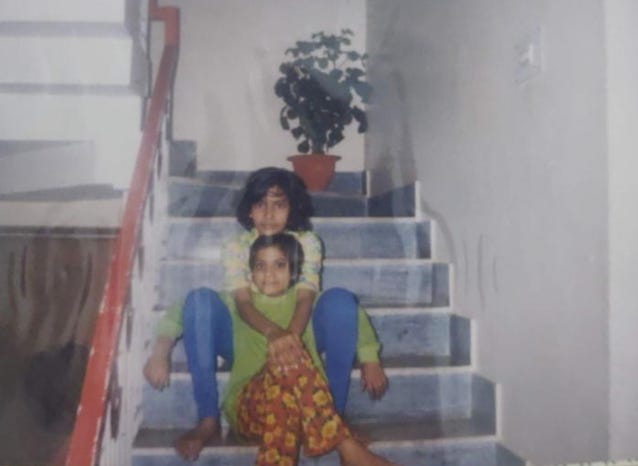
Dr. Swati met her during her fellowship at B.J. Wadia Hospital in Parel, Mumbai. The girl was five, with biliary atresia - a condition where the bile ducts are blocked or absent, so bile cannot drain and slowly damages the liver - operated on far too late, given a Kasai procedure, and then returning to the ward again and again with cholangitis, infection flaring in a liver that was quietly losing the fight.
Every time the fever came back, Dr. Swati would crouch down and ask gently, what did you eat?
And the little girl - bright, relentless, impossible not to adore - would confess. I ate a vada pav by mistake. I ate a chip by mistake. And then, in the unanswerable logic of a five-year-old: But how do I not do it? I’m a kid. I can’t control it.
She was the most luminous presence the ward had ever seen. The moment she was admitted, she’d appoint herself nurse-in-chief - I’ll take care of all your patients, I’ll take care of your BP. She was, simply, everyone’s favourite - the brightest thing in a room full of sick children.
Her mother couldn’t afford the transplant the girl so desperately needed, so the team leaned on social workers and raised what they could. There was a donor problem on top of everything: a living donor must be at least eighteen, and her brother was too young, so eventually her sister stepped forward.
On one of those final admissions - it happened to be Dr. Swati’s birthday - she announced to her mother that it didn’t matter whether they had money or not; they were going to buy Dr. Swati a gift. And before she left at last for the transplant, the funds finally raised, she looked up and asked the only thing that mattered to her:
You’ll come to see me, right?
The first surgery was gruelling - running well over a day, complications stacking inside her small body. Then word came that it had worked. But within hours, everything turned: the new liver had failed. She was rushed straight back in, placed on a cadaveric donor list spanning Maharashtra and the whole country - and, mercifully, another liver came fast.
Through all of it, Dr. Swati - unwell herself - could not get to her. There was always the distance. There was always Mumbai’s traffic. There was always one more duty at Wadia, where fellows worked around the clock with little say over their own hours. She kept meaning to go; she kept being sure there would be time.
Then the news came.
The little girl hadn’t made it. And the cruelty of it lay in the timing - Dr. Swati had been so close to going, so certain there would be a chance. Afterwards, the child’s mother shared the funeral with her online, and Dr. Swati took it in while standing in the endoscopy room, her mentor calling her in to assist a procedure. She asked for ten minutes.
“To see her alive and playful, and then to see the funeral of a chhota baby — it is very difficult. She was just five. And I just stood there in the endoscopy room, crying.”
Years later, with everything she now knows, the what-ifs are unbearable precisely because they are so small. If the transplant had come sooner. If the money had been there earlier. If the crowdfunding that exists today had existed then. The medicine to save her was real. It simply arrived too late - and not because of anything in her tiny, failing body.
She is the patient Dr. Swati reaches for in every conversation about Wadia. The most radiant memory from the hardest ward. The child she will carry for the rest of her life.
The Boy They Almost Lost to a Leaf
Not every story ends that way. Dr. Swati keeps one in particular for the families who need to believe in second chances.
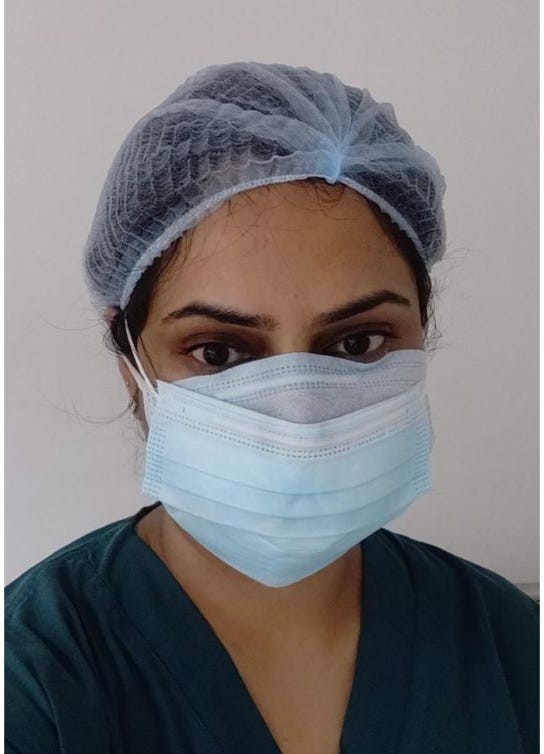
A boy - five and a half, maybe six - was carried into the emergency room in shock. Barely responding. Oxygen falling. Heart rate crashing. He needed CPR at the door. They intubated him, rushed him to the ICU, and watched his liver begin to fail, then his kidneys, then the slow slide into multi-organ dysfunction, and then the bleeding.
He’d had fever and jaundice. The family had taken him to a quack, who prescribed an old folk cure - that chewing paan, betel leaf, would bring the jaundice down. A neighbour fed it to him. None of it matched the picture of an ordinary infection, and as the hepatologist on call, Dr. Swati began pulling at the history.
For two days, the family denied everything. Did you give him something? Can you bring us the paan? No, they said. No.
“I told them - if you tell us, we can help. If you lie to a doctor, we cannot help you. You are not helping us in any way.”
Finally the father broke. They traced a single chemical lead, sent samples all the way to a toxicology lab in Pune, and confirmed it: an outside toxin was poisoning the boy’s liver. They put him on dialysis. And as the dialysis pulled the poison out of his blood, his kidneys began to recover. Then his liver. Over ten, twenty days in intensive care, the boy came back from the edge.
He was discharged. He is, today, completely well - and he has returned, healthy and playful, to visit the team that refused to give up on him. A child who needed CPR at the threshold walked out on his own feet. His parents finally understood the lesson at the centre of so many of these cases: no folk cure, no jheri-booti, and never, ever lie to the doctor trying to save your child.
The 700-Gram Baby, and the Cost of a Skipped Burp
There is one more story. She tells it because it may be the most preventable death she has ever stood beside — and because she cannot stop telling it until people listen.
In the NICU, they once fought for a baby born at 700 grams. They raised funds. They worked day and night. And they finally handed the mother a thriving 1.2-kilo child. They counselled her with care. His skin looks a little dark because of the phototherapy heat - it will fade once you’re home and feeding. And no matter how exhausted you are, you must burp him at night. Every single time.
The mother came back twice for follow-up. And then, one morning, she came to the hospital holding the baby - but they had arrived too late. He had fed in the early hours and had not been burped, and by the time they reached the doctors, he had already slipped away.
There was nothing left for anyone to do.
“We fought for this baby. We were behind him day and night so he would survive. We handed his mother a healthy child. And then this - because people still don’t understand how necessary burping is.”
This, she explains, is the quiet engine behind so many sudden, preventable infant deaths in India - a tragedy too often shrugged off as fate or misfortune when so much of it is silence, exhaustion, and the absence of a single extra pair of hands. A skipped burp. Milk that comes back up. An airway. A life.
Which is exactly why, when Dr. Swati talks about new parents, she refuses to talk about mothers alone.
“It is not only the mother who is becoming a mother. You are also becoming a father. The grandparents are becoming grandparents. At least help with the burping at night. The child is yours too.”
She speaks from the inside of it. Her own husband, also a doctor, changed the diapers and took over every nighttime burp so she could rest. She names it as gratitude - not as something she was owed - but she is unmistakably clear that the help is not a luxury. After a C-section, after the layers of surgery, after months where the only sleep is fifteen stolen minutes before the baby wakes again, support is not a kindness extended to a mother. It is part of how a baby survives.
Even the Doctor Couldn’t Switch Off the Fear
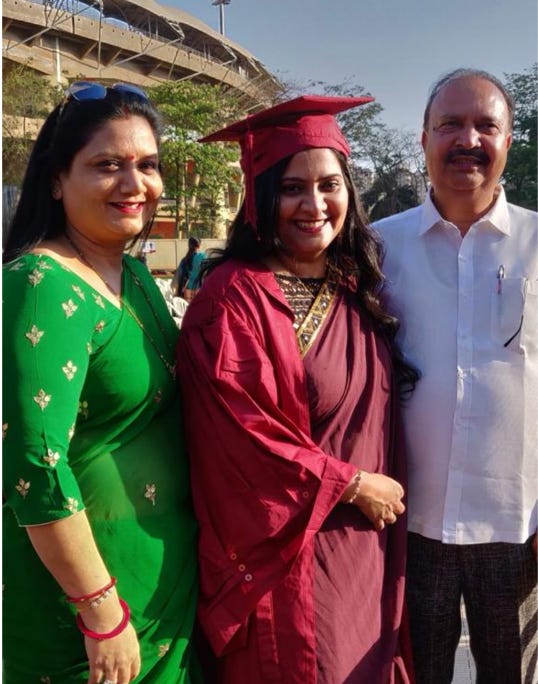
You might assume a pediatrician, of all people, would sleep peacefully beside her own newborn. The opposite was true.
“That panic - we both had it,” she says of herself and her husband, two pediatricians who had seen, in their own wards, every way a tiny thing can go wrong. They never let their son sleep flat. They knew precisely how to position him, how to turn him onto his side after a feed. Their training was both a comfort and a curse: they could read a baby’s breathing at a glance, and yet in the dark, after a feed, if he hadn’t burped, the fear arrived anyway. How long do I keep at this? What if the milk comes up?
And the part she offers most honestly - the part she suspects no one warned her about - is the beginning. People had promised her a rush of love the instant she saw her baby. Instead, under the fog of anesthesia, what she mostly felt was that she wanted the pain to stop. She knew every single step of the C-section before it was ever done to her, because she had stood in those theatres as a pediatrician - and the knowing made the table more frightening, not less. When the fog finally lifted, the realisation arrived slowly: I have become a mother. I have to take care of this child now.
“People believe that the moment you see the baby, you should feel love. No. We are also going through so much. The love comes a little late.”
The love came. It simply came in its own time, after the fear had finished its work. It is one of the most quietly courageous things a doctor-mother can say aloud - and she says it without apology, so that the next frightened woman on a table knows she is not broken for not feeling it yet.
How a Parent Can Catch It in Time
Across the whole conversation, Dr. Swati kept circling back to the thread that ties the little girl, the poisoned boy, and the 700-gram baby together: awareness, arriving early enough to matter.
Some of it begins long before birth. She makes one appeal plainly - without naming any religion, caste, or community, because, she stresses, it cuts across every one of them:
“If possible, please don’t have a consanguineous marriage. Most of the genetic and hereditary problems - thalassemia, metabolic and liver disorders - come from it.”
In newborns, certain signs should never be waved away: dysmorphism in the face, nose, teeth or thumb; an unusually small head; frequent vomiting with no cause; swelling in the abdomen or genitals; yellowing of the eyes or skin; an abdomen that distends abnormally, or a navel that pushes outward instead of sitting in; and any seizure at all. The most haunting of these, she says, is neuro-regression - a child who develops perfectly for two years, meeting every milestone, and then begins to slide backward, losing speech, struggling to walk. These are not wait-and-watch signs. They are reasons to find a specialist.
And then fever - the symptom every parent dreads and most underestimate. Her rule is less about the number than the pattern: a high-grade fever that won’t break with medicine; a fever with chills and rigors; a fever with weight loss, or the tell-tale evening rise that can whisper tuberculosis. And dengue, the silent one, where falling platelets can lead to bleeding - sometimes, devastatingly, into the brain - before anyone grasps how sick the child has become. (She gently notes how often parents give the medicine without ever checking the number. Was it 100? 101? 102? They don’t know. Knowing, she says, is half the battle.)
The signal she leaves parents with is simple enough to keep on a fridge door. Go to the hospital if a high-grade fever won’t come down with medicine; if a child under five has a febrile convulsion; if the child won’t feed, is exclusively crying or unusually cranky, is drowsy and only wants to sleep; or if the urine output drops. And the one line worth memorising:
“A child stays quiet only while the fever is there. But if the child is not playful and not active even after the fever is gone - then you need to see a doctor.”
The One Thing She Would Change
At the very end, she was asked a gentle, impossible question: if she had a magic power to change one thing in the world, what would it be?
She had never thought about it. And then, professionally, the answer came without hesitation — because it is the wall she keeps running into.
“There are disorders that still have no treatment. I would want to build one. Because no parent should lose their child simply because a treatment doesn’t exist yet. It is so hard to sit with a parent and tell them there is nothing available.”
It is, in the end, the same wall she first met as an intern in that JNMC Wardha NICU — the helplessness of counselling, of keeping a straight face while everything inside her wanted to break. The same wall she met with that five-year-old, where the cure was real but came too late.
She became a doctor because of a grandfather whose liver she never got the chance to heal. She chose children because they cannot speak for themselves. And she still keeps the messages from the mother of a five-year-old she once fought for - the ones that still arrive, faithfully, every year on her birthday.
Some doctors measure a career by the patients they saved. Dr. Swati Singh seems to measure hers by something harder and far more honest - the ones she couldn’t, and the fierce, lifelong refusal to let the next family lose a child to silence, to stigma, or to a treatment that simply hasn’t been invented yet.
That refusal is its own kind of magic power.
She has been using it all along.
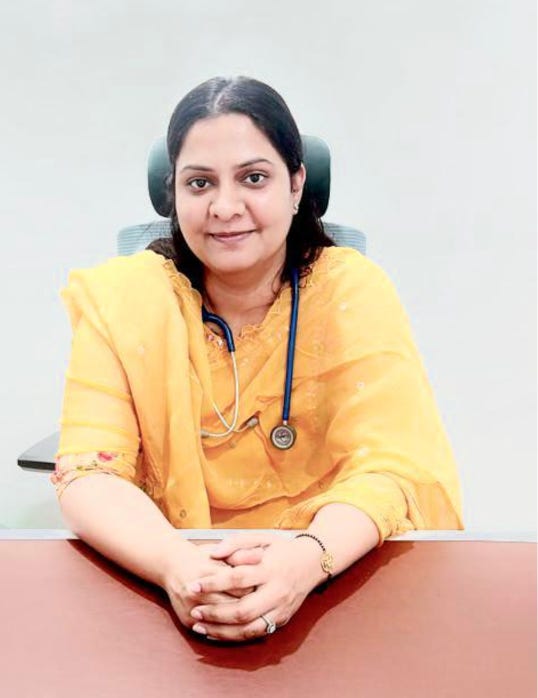
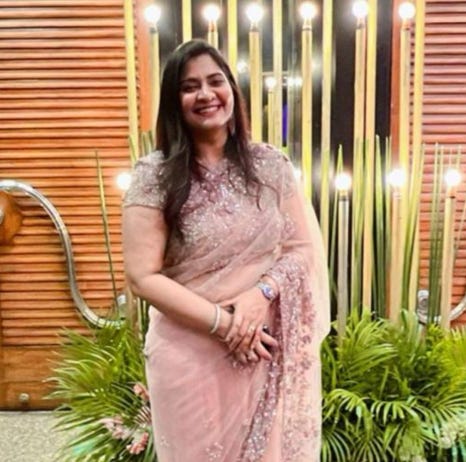
Dr. Swati Singh is a pediatric gastroenterologist and hepatologist. Born in Mumbai and schooled in Nagpur, she completed her MBBS at JNMC Wardha, her postgraduate training at D.Y. Patil Medical College, Mumbai, and her fellowship in pediatric gastroenterology and hepatology at B.J. Wadia Hospital, Parel, Mumbai. She currently practises as a pediatric consultant at MRR Children’s Hospital, Thane, and hopes - whenever the chance comes - to study her field even more deeply. She is mother to a three-and-a-half-year-old boy.
About Janitri
Janitri is built on a simple yet powerful mission: to save lives by supporting women and newborns through the critical 1,000-day journey from pregnancy to early motherhood. Every solution we create is rooted in care, early detection, and the belief that no woman should lose her life while giving life.
With this same spirit, we introduce Janitri Club, a space where we celebrate not designations, but the people behind them. The caregivers, doctors, parents, and supporters who quietly hold this journey together.
Through real stories of emotions, challenges, and victories, Janitri Club brings these voices to life, honouring their experiences and building a community that uplifts everyone who stands beside a woman in her journey.