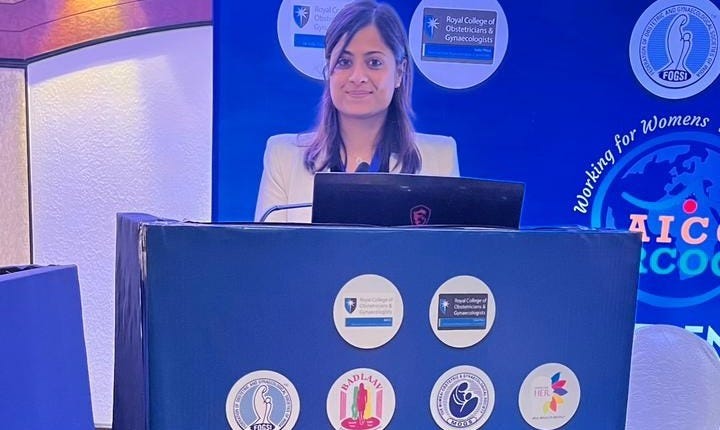
Long before she ever held a scalpel, Shivani Agarwal already knew how to hold a room.
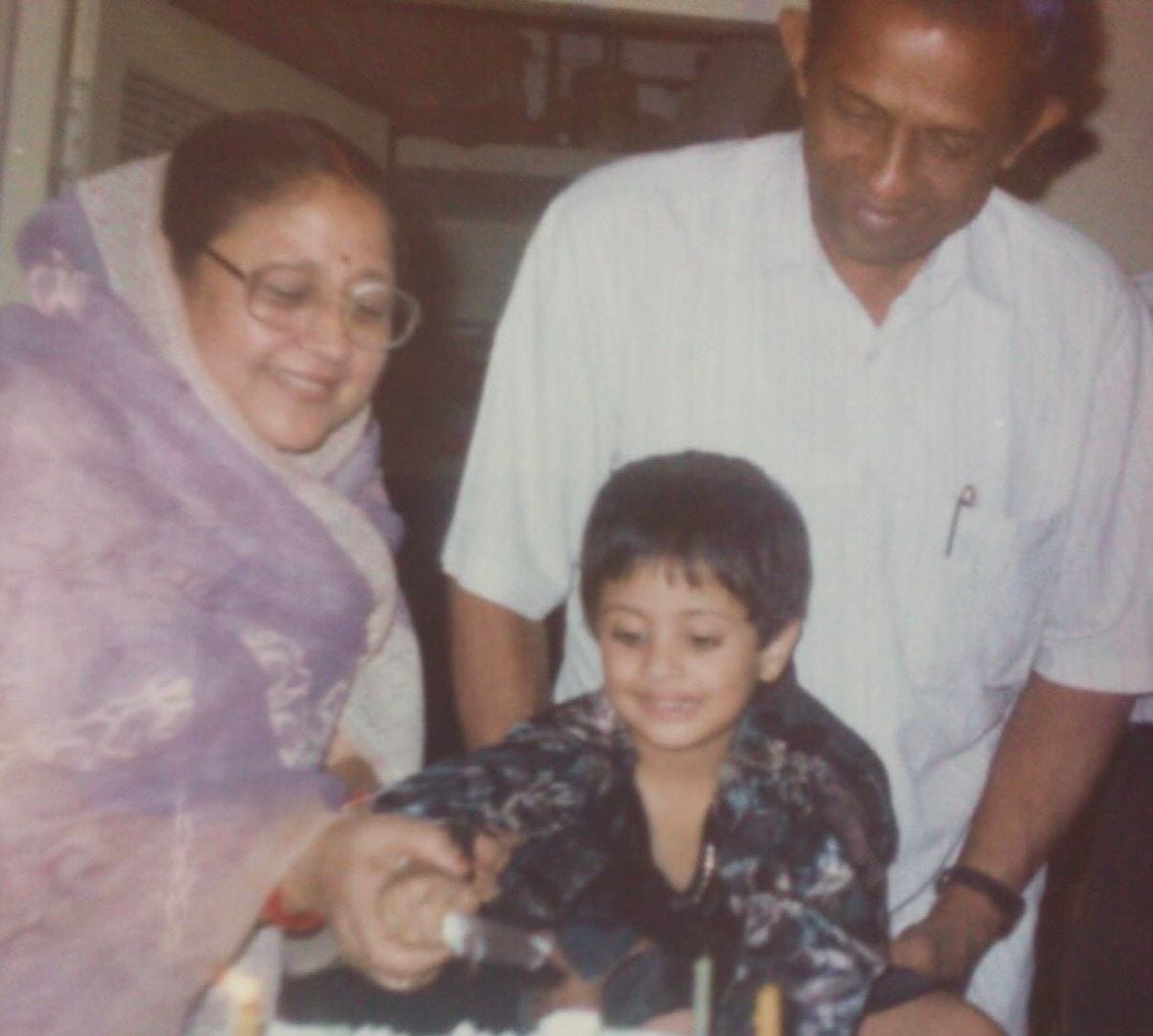
Every Independence Day and Republic Day, her school knew the ritual: Shivani would give the speech. And the whole town half-knew the secret behind it - the words were written, in flawless English and an even more beautiful hand, by her grandfather. He would compose an essay for a granddaughter still in nursery, and she would learn it by heart and deliver it on stage as if it were her own.
“If you make me stand in front of two thousand, even ten thousand people, I can speak whatever is on my mind. Public speaking was never a fear. The credit goes entirely to my grandfather.”
That single inheritance - the courage to say things out loud, clearly and without flinching - turns out to be the thread running through Dr Shivani Agarwal’s entire life. Today, she is an obstetrician and gynaecologist trained across some of India’s and Asia’s finest hospitals. But to thousands of women, she is simply the warm, unfiltered voice on Instagram known as your_og_doctor - the one who finally says the things about the female body that everyone else only whispers.
This is the long version of that story: where it began, what shaped it, and why she believes empathy is a clinical skill, not a soft one.
A family that started over with nothing
To understand Dr Shivani, you have to start two generations earlier, in Burma.
Her grandparents belonged to an influential, well-off family in Myanmar - until the years of military rule, when Indians were pushed out, and their property was seized. They arrived in India with almost nothing and rebuilt their lives from scratch. Her grandfather, a chartered accountant, was educated and so genuinely kind that people went out of their way to help him re-establish his business.
“If you ask me, I don’t think they belonged to that generation. They were way ahead of the people of today.”
He lived with the family, and Shivani - the eldest, openly “blessed and a little spoiled” - grew up at his side. From him, she absorbed two things she still carries. The first was the love of words and the stage. The second was an almost ceremonial sense of presentability: he was in a formal shirt and trousers from morning until the moment he slept, even years into retirement, after his daily pooja and bath. The women of the house - her mother and grandmother, both homemakers - were never seen lounging in nightclothes during the day, either; always a saree or suit, always ready for the world.
It is a small detail, but it explains a lot about the composed, self-assured clinician she became. The discipline, the warmth, the conviction that you show up fully for people - all of it traces back to a dining table where her grandfather wrote her speeches and her grandmother declared, to anyone who would listen, that her granddaughter was going to be a doctor.
She also came from a household she describes, fondly, as “emotional, hyper and loud” - and she has never tried to sand those edges down. The doctor who tears up with patients and laughs with them is the same girl from that house.
The loss that chose her path
That prophecy turned painfully real when Shivani was barely seven or eight.
There was already one doctor the family leaned on - her father’s uncle in Jaipur, a kind man who kept his Sunday OPD free of charge while the rest of the week was chargeable. Watching her father phone him for every health worry planted an early seed.
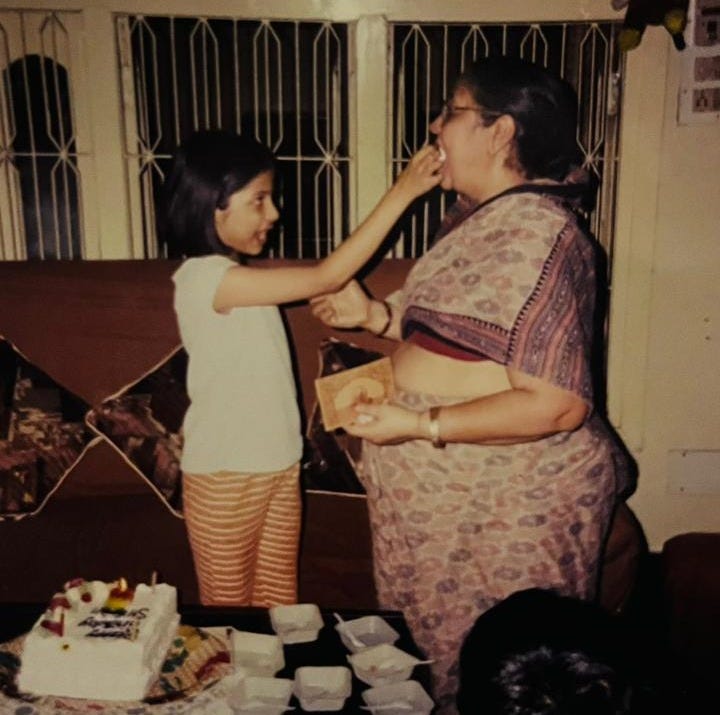
But the moment that truly set her direction was a loss. Her grandmother - close to her, only in her mid-sixties - was diagnosed with endometrial cancer. Shivani didn’t understand the word biopsy; she only understood that her mother had started crying and praying. Her grandmother was taken to Jaipur for chemotherapy and radiotherapy, and one ordinary afternoon, Shivani came home from school to a house full of grief. She was gone.
“All I felt was - I didn’t even know what had happened. Later, when I grew up, I realised endometrial cancer is preventable if you screen at the right time. We’ve treated so many in residency. They’re living well. If only you don’t miss that boat.”
That helplessness is exactly what she now spends her life fighting. Endometrial cancer, she explains, often announces itself as post-menopausal spotting or bleeding - the very thing women are most likely to dismiss. Her message is simple, and she repeats it constantly: bleeding after menopause is never “nothing,” get it checked immediately, and after forty-five - especially if you are diabetic, hypertensive or obese - make annual screening a habit.
Her grandmother’s death didn’t just point her toward medicine. It pointed her toward catching things early, before another family ever had to sit in the dark the way hers did. By the ninth standard, the decision was made.
Choosing women - one conversation at a time
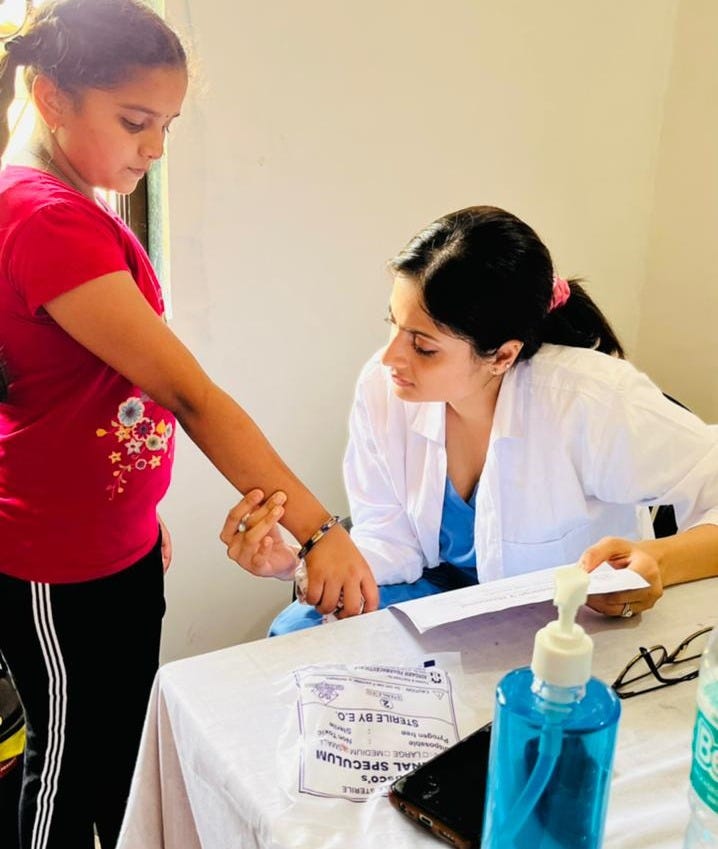
When she finally reached her medical internship, rotating through every speciality, she found herself ruling out one branch after another. Not orthopaedics. Not radiology - too little human contact. She kept circling back to the same instinct.
“I wanted interaction. One-to-one. I connect very well with women - that’s my skill. I like talking to them, and they like talking to me. I’m a little feminist too. I just knew: women’s health is my thing.”
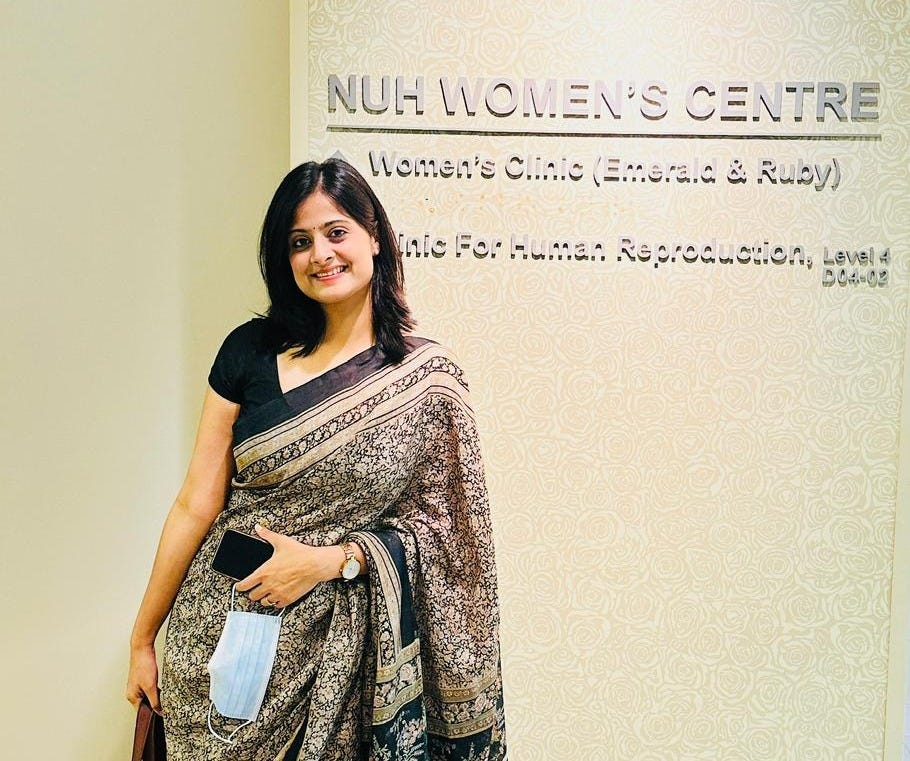
Her training reads like a map of Indian medicine and beyond - undergraduate studies in Pune, a master’s in obstetrics and gynaecology in Mumbai, and later a fellowship in IVF and reproductive medicine at the National University Hospital in Singapore, under mentors she still names with reverence. Coming from a small town in Uttar Pradesh and then spending more than a decade in big cities, she says, reshaped her - not just as a doctor, but as a person.
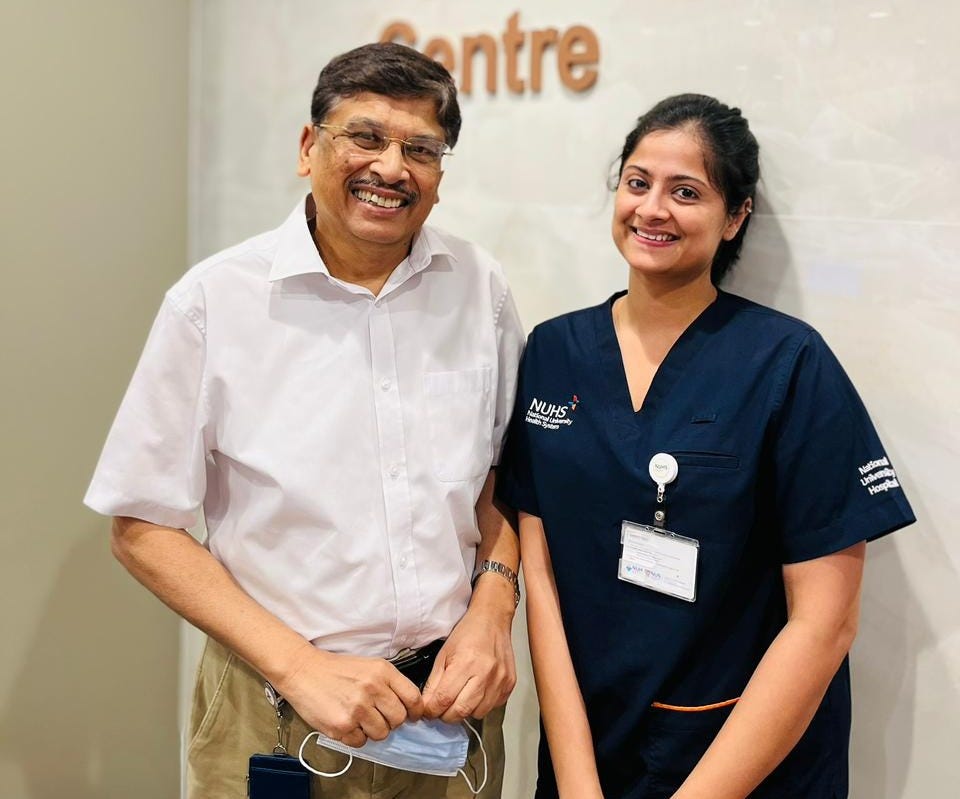
“I am an amalgamation of everyone I’ve worked with. You’ll see a piece of each of my mentors in me.”
But it was Singapore that gave her the model she still chases. There, a single consultation ran forty-five minutes to an hour. Doctors and patients talked like old friends - about work, family, the partner, sex life, and the small logistics of how to get to a 12 o’clock scan when your job starts at one.
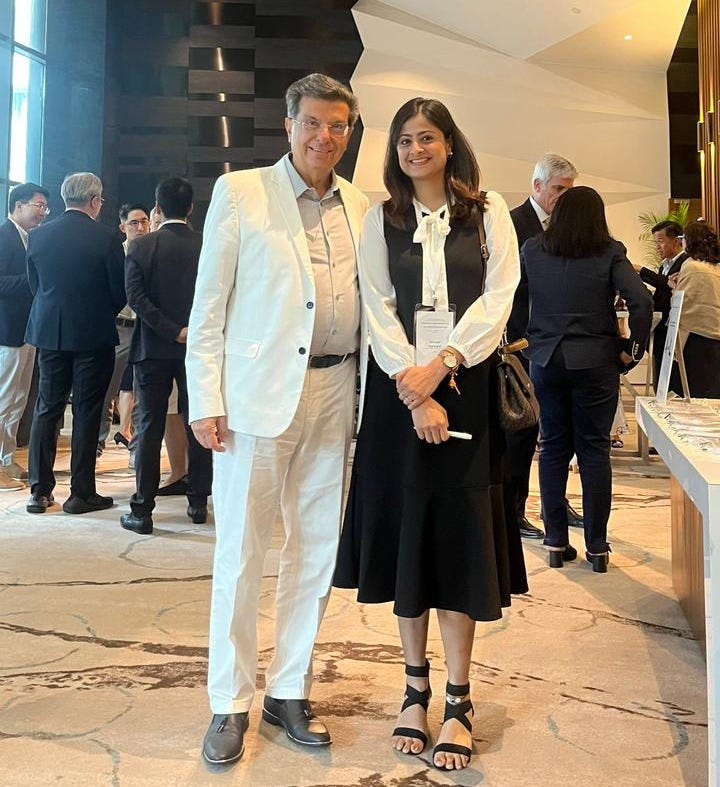
“They think about you through and through - not as a client, but as a person.”
That is the human-first approach Dr Shivani has tried to carry into a far busier, far more crowded Indian clinic ever since - the belief that good women’s healthcare isn’t a transaction, it’s a relationship.
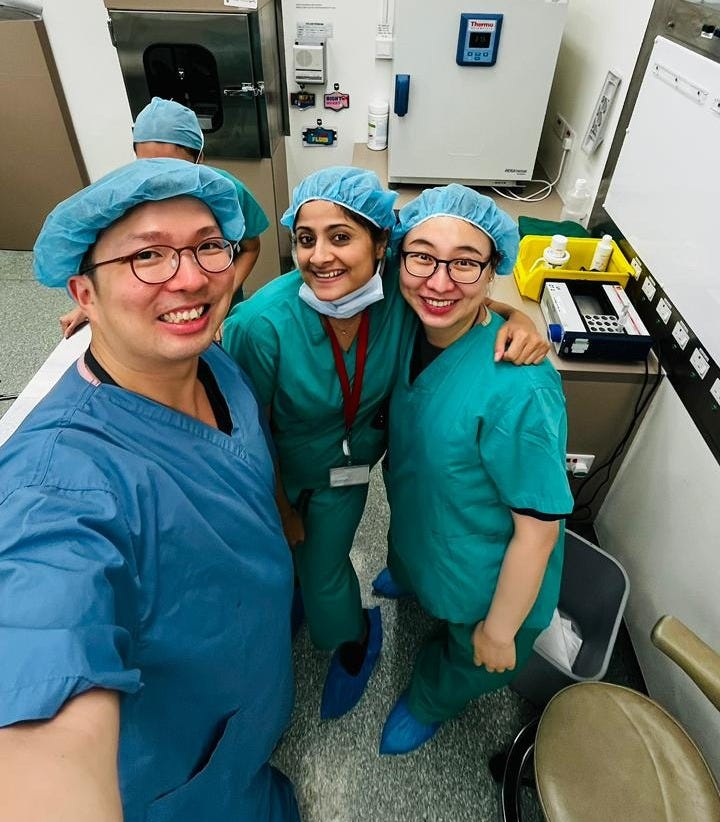
Her very first case
Ask her about the case she’ll never forget, and she goes straight back to her first year of residency.
A woman came in for a routine seventh-month scan. It was a precious, long-awaited IVF pregnancy. And on that scan, the team found what no one was expecting: bilateral ovarian cancer, with tumours the size of footballs on both ovaries.
How do you break that to someone? She still asks - a beautiful thing is happening to you, and a life-threatening thing has just been found in the same breath?
What followed was extraordinarily high-risk pregnancy care. Chemotherapy during pregnancy. A carefully timed caesarean that delivered a healthy baby boy. Then removal of both tumours, weeks of rest, and a full staging surgery with an onco-surgeon, including intraperitoneal chemotherapy. One to two years of follow-up later, the cancer had not returned.
“It was heart-touching. She’s doing fine now. That was the case that made me fall in love with this field - and pushed me toward IVF.”
The case also opened a question she gets asked all the time: if a mother has cancer, will the baby get it too? Her answer is reassuring and worth repeating. Most cancers, she explains, are sporadic - driven by lifestyle, environment and random changes in your own genes - and are not handed down to your child, any more than an accident or a bout of acne would be. But a few are hereditary: the BRCA1 and BRCA2 mutations behind some breast and ovarian cancers, and certain syndromic and colon cancers, can pass to the next generation. For those families, gene testing exists, and daughters of mothers with a strong family history are advised to begin screening - like mammography - earlier, so anything is caught at the most treatable stage.
The thirty per cent that is yours
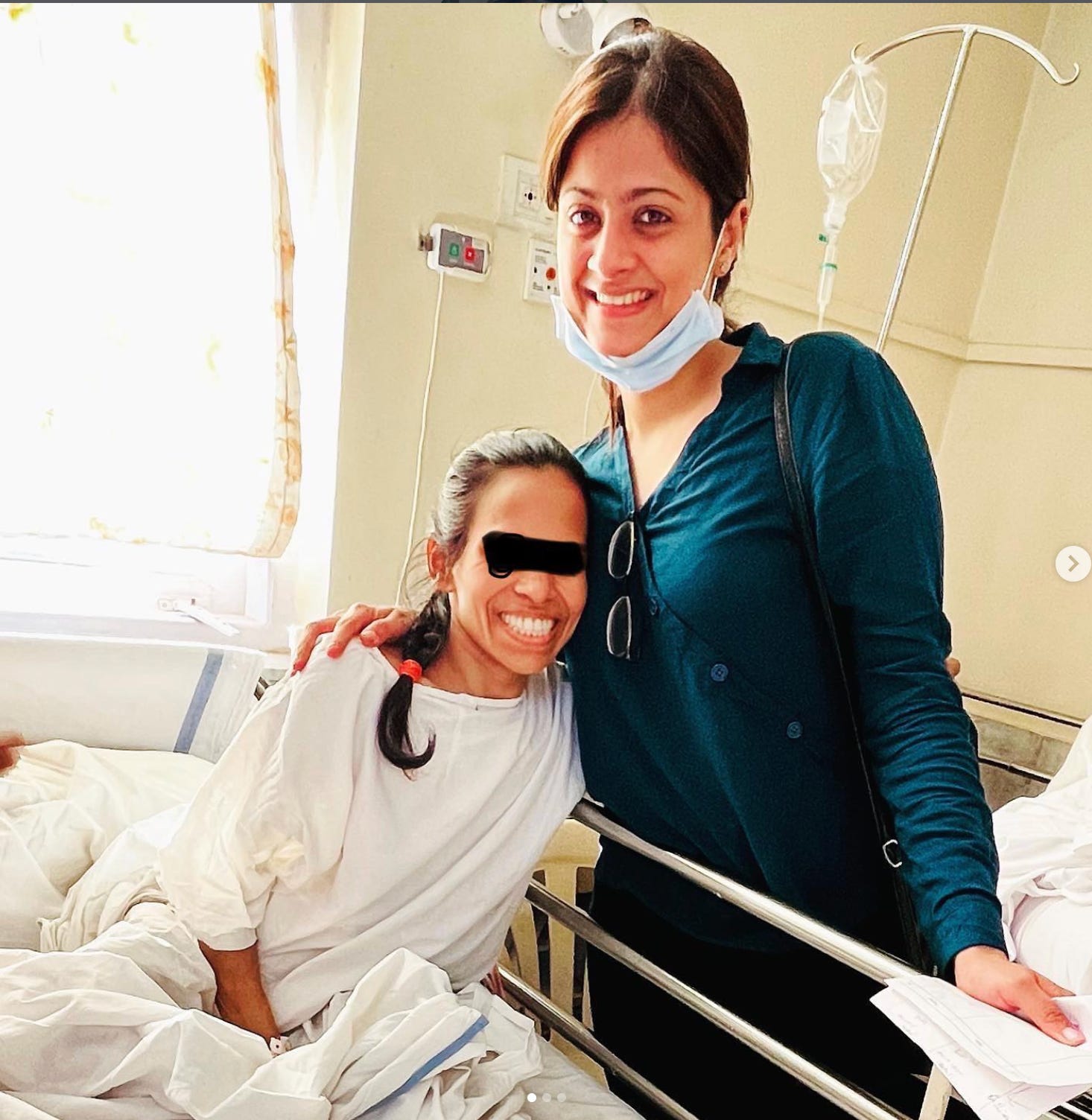
Another patient taught her something she now repeats to almost everyone: a young, unmarried woman of barely three or four feet, bedridden with scoliosis and a football-sized abdominal tumour, who came in for surgery so risky the team had to take “death on table” consent. Through all of it, she stayed cheerful - bright, easy, kind. She came through. She went home.
“You can help yourself thirty per cent. Maybe the doctor does the other seventy. But that thirty - your mind, your belief, that bit of luck - matters enormously. If you sit there convinced you’re cursed, even the most brilliant surgeon can’t fully reach you.”
It isn’t blind optimism; it’s something she has watched play out in her own family. When her father caught COVID while she was stranded in Pune during lockdown -surrounded by frightening news, unable to be at his side - she simply kept telling him, Nothing is going to happen to you. You’re coming back. He did. Her mother, a devout believer, has her own version of the same faith: that life can’t be all calamity, and that sometimes a big disaster arrives as a small one instead - a bike skids, the phone is wrecked, and yet not a scratch on you.
This is where the conversation turned personal - because the woman interviewing her, Roshni Jaiswal of Janitri, has lived the very thing Dr Shivani was describing.
Roshni recalls a mother who had lost her baby at seven months. A year later, pregnant again and approaching that same dreaded week, she was paralysed with fear. Roshni put a home NST device in her hands so she could track her baby’s heartbeat from her own bedroom, spoke to her like a friend, and shared her own story of holding on to hope. The mother carried that pregnancy to term and was blessed with a healthy baby girl. Two years on, pregnant a third time, she called Roshni again - to order the same Janitri non-stress test device, and to say the positivity had stayed with her ever since.
Dr Shivani only nods. In her family, optimism was never denial. It was a discipline.
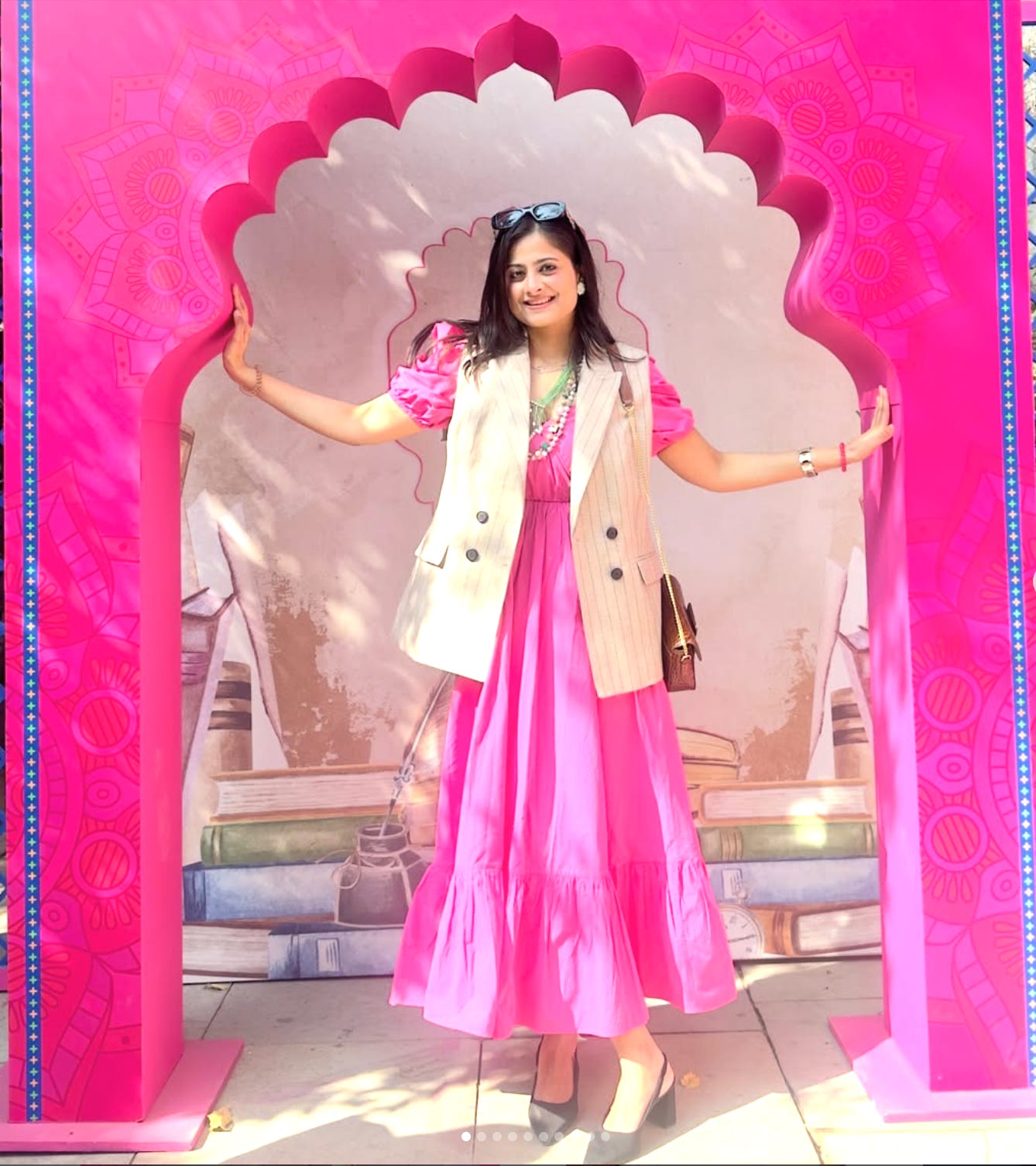
“Be positive - but always keep a Plan B”
If there is one piece of advice she wants every woman trying to conceive, or already pregnant, to hear, it’s this: there is a very thin line between being positive and overwhelming yourself, and you must learn to find it.
“Yes - my treatment is happening, it’s happening from the right place. If it works, wonderful. If it doesn’t, we’ll try again. There is so much to do in life. You cannot tell yourself that if this one thing doesn’t happen, your life is over. That’s simply not true.”
Her secret to staying calm is almost counter-intuitive: keep a Plan B. She uses a job as an analogy. The person who tells themselves if I lose this job, I’ll be on the streets lives in constant anxiety - and, ironically, performs worse for it. The person who quietly knows they have a fallback stays steady, sane, almost zen. The same is true, she says, in fertility and pregnancy.
“When you have a Plan A and a Plan B in your mind, you stay calm. You don’t have to think life is over. You just stay steady - and you actually do better.”
And while you wait, she insists, live. This break is a gift. Take up the painting you never started. Go to the singing class you always skipped. Do the hobby you set aside.
“If you’re pregnant, it’s a beautiful thing - so enjoy your things. Do what you love. Now is the time.”
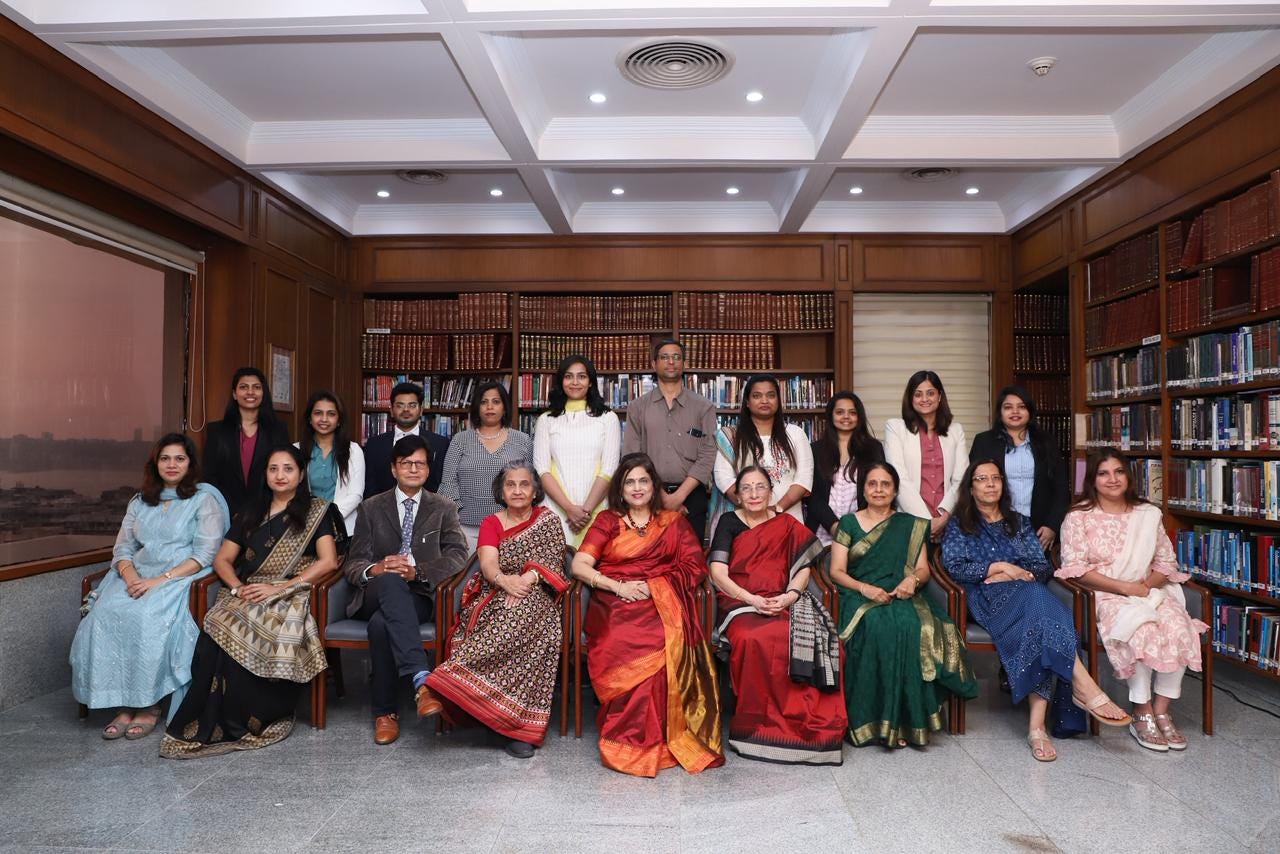
Why we’ve stopped listening to each other
It is here that Dr Shivani is at her most unfiltered - on the uncomfortable truth about why so many Indian women feel unheard in a doctor’s room, and turn to Google instead.
She refuses the easy answer of blaming doctors. She has worked in a government hospital where she saw up to four hundred patients in a single OPD day. Is it humanly possible, she asks, to give each of them half an hour, for no fee? A private doctor seeing fifty patients at two hundred rupees each is also a human being with a family to feed, doing the only maths the system allows.
Then she lays out the contrast that has stayed with her. In Mumbai, she watched a senior give thirty unhurried minutes to a patient paying ₹3,000. In Singapore, consultations ran forty-five minutes to an hour for around ₹20,000. In the US, perhaps ₹15,000. In much of India, a consultation costs ₹200–250, and the patient still expects an hour.
“You’ll spend two thousand rupees on a facial, but resent paying two hundred for a doctor - and still want an hour of their time. How is that possible?”
Her diagnosis is blunt: this is not a problem of India, it’s a problem of mindset. In the big cities, she points out, patients are educated, they do value a physician’s time, and consultations are longer. The fix, she argues, runs both ways. Doctors must show up with empathy, patience and zero judgement. And patients must start treating quality healthcare as an investment in themselves, not a favour they’re owed.
“Google and ChatGPT can write to you. They cannot talk to you. If you want to be truly heard, invest in a quality doctor and build that relationship.”
That two-sided gap - patients sure they’re right, doctors sure they’re right - is, she believes, the real engine of burnout in Indian medicine.
When trust is the treatment
Few topics fire her up like the online noise around rising C-section rates. Her answer is blunt.
“Normal delivery, C-section - that is not our aim. Our aim is a healthy mother and a healthy baby.”
The “C-sections are exploding for money” narrative, she calls baseless social-media talk. No gynaecologist, she says, wants to force a normal delivery only to risk a birth injury, a deformity, or a baby who ends up with cerebral palsy for life. The genuine rise has real clinical causes: older mothers, more IVF and multiple pregnancies, more hypertension, diabetes and thyroid disorders. And lifestyles have changed. Earlier generations of women were physically active all day - farming, sweeping, hauling, raising children - and many gave birth at home; today’s mothers are far more sedentary, and the body simply isn’t primed the same way.
She even dismantles the money myth from the inside: a normal delivery often earns a doctor more, precisely because it takes far more time and labour.
“It’s not about money. It’s definitely not about money. It’s about safety, and about time.”
And here Roshni’s own journey becomes the living example. Both her children were born by emergency caesarean - and she was the first woman in her family’s history to have one, carrying the quiet weight of “we all had normal deliveries, why are you having a C-section?”
Roshni didn’t choose a C-section. As she puts it, “C-section chose me.”
With her first baby, it was a mother’s instinct on a quiet Sunday that saved her son. A nurse told her to go home; she refused, insisting on seeing her own gynaecologist. A noticed blood clot led to an NST, and the baby’s heart rate was sliding from 160 down to 90. Within ten minutes, she was prepped for an emergency caesarean. Her son had already passed meconium and was moments from breathing it in. Had she waited even a few more hours, she knows she would have lost him. With her second, during COVID, she again trusted her instinct and her doctor over everyone insisting she’d surely deliver normally.
For Dr Shivani, this is the entire point - and it leads her to a belief she holds as firmly as any textbook.
“There’s science, there’s research - and then there’s the ten or twenty per cent that lives in experience and instinct. Sometimes a doctor treats from what they’ve learned across thousands of patients, and it turns out exactly right. If you trust your doctor, follow them. And if you can’t trust your doctor, change your doctor. But you have to trust someone. You can’t become over-smart and hand your pregnancy to Google.”
Why a device in your hand changes everything
This is also why both women are so convinced about the role of technology in modern pregnancy care.
For nine long months, Dr Shivani says, an expectant mother lives in a low hum of anxiety - the baby hasn’t moved in an hour, it didn’t move at this time yesterday - and no doctor on earth can be on the phone every minute for a hundred different patients. That gap is precisely where fear grows.
“If a device lets you monitor the baby’s heart rate at home, read your own NST graph, see good accelerations for yourself - your doctor can simply say, ‘Don’t panic, come in the morning, we’ll check once.’ Your sleepless nights are saved. Your doctor is calm. And you, as a patient, are aware and calm too.”
It’s a vision Roshni has been building hands-on. She joined Janitri while pregnant with her second child - and found, as she says, that “everything just connected.” She went on to start the company’s direct-to-consumer line, bringing hospital-grade monitoring into the home: a home NST device for fetal heart rate monitoring, the Keyar Echo: fetal doppler, a baby monitor, and a continuous fever patch — products she tested on herself and her own children. The shared belief is simple: early detection and remote monitoring turn a frightening, blind wait into a guided, reassuring one, especially in high-risk pregnancies.
Speaking out loud
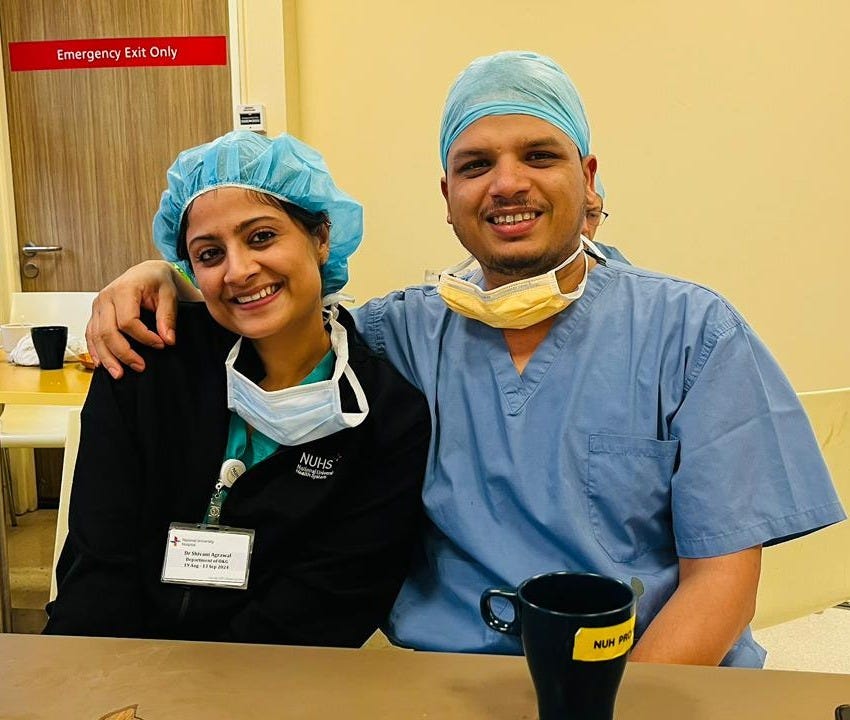
The Instagram page that now reaches thousands almost didn’t happen. The push came from her husband, an orthopaedic and spine surgeon, and a long-time content creator better known online as the Backpacking Spine Surgeon for his treks across Switzerland, Japan, Everest and beyond. He has been filming and editing (on Final Cut Pro, cameras strapped to his head while he cycles or runs marathons) for the better part of a decade, and he kept telling her not to waste her voice.
“He said, ‘You have a good voice and people like it - don’t waste this talent.’ Editing terrified me. He helped me at first. Now I’ve actually crossed him on followers, because his spine surgeries leave him no time.”
Her topics are never invented. They come straight from her clinic and her DMs - a couple struggling with intimacy, a question a patient was too shy to ask aloud, a friend who is herself a doctor yet still hasn’t taken the HPV vaccine.
“Even doctors, if they’re not in this field, get disconnected. I keep telling my friends - please take the HPV vaccine, please do your mammography. I see what late detection costs. If one girl has that doubt, it’s running through a thousand other minds.”

The one power she’d choose
At the end of a long conversation, she’s asked the classic question: if you had the power to change one thing in the world, what would it be?
She laughs, calls it impossible, and then gives the most Shivani answer imaginable. First, half-joking: that men should be able to get pregnant too, so couples could simply choose who carries the child, because it is not easy to be female, from childhood right through menopause.
And then, completely serious:
“I would normalise the conversation around the female body. Completely. You can say you have a headache, a fever, a stomachache - but not breast pain, not a discharge, not that your period is going on? These are body parts too. Even after all our education, we still slip the pad into our pocket on the way to the washroom.”
“I want to normalise the normal things. The complex things are different - but the normal things should never feel like a big deal. Periods, sex, your body, how you feel - say it openly, with your girls, with your boys, with your family.”
It is the perfect wish from a woman who has spent her whole life refusing to lower her voice - from a little girl on a school stage reciting her grandfather’s words, to a doctor now invited to help shape the next generation of women’s health products at Janitri.
She started out borrowing someone else’s words. She has spent her career giving women back their own.

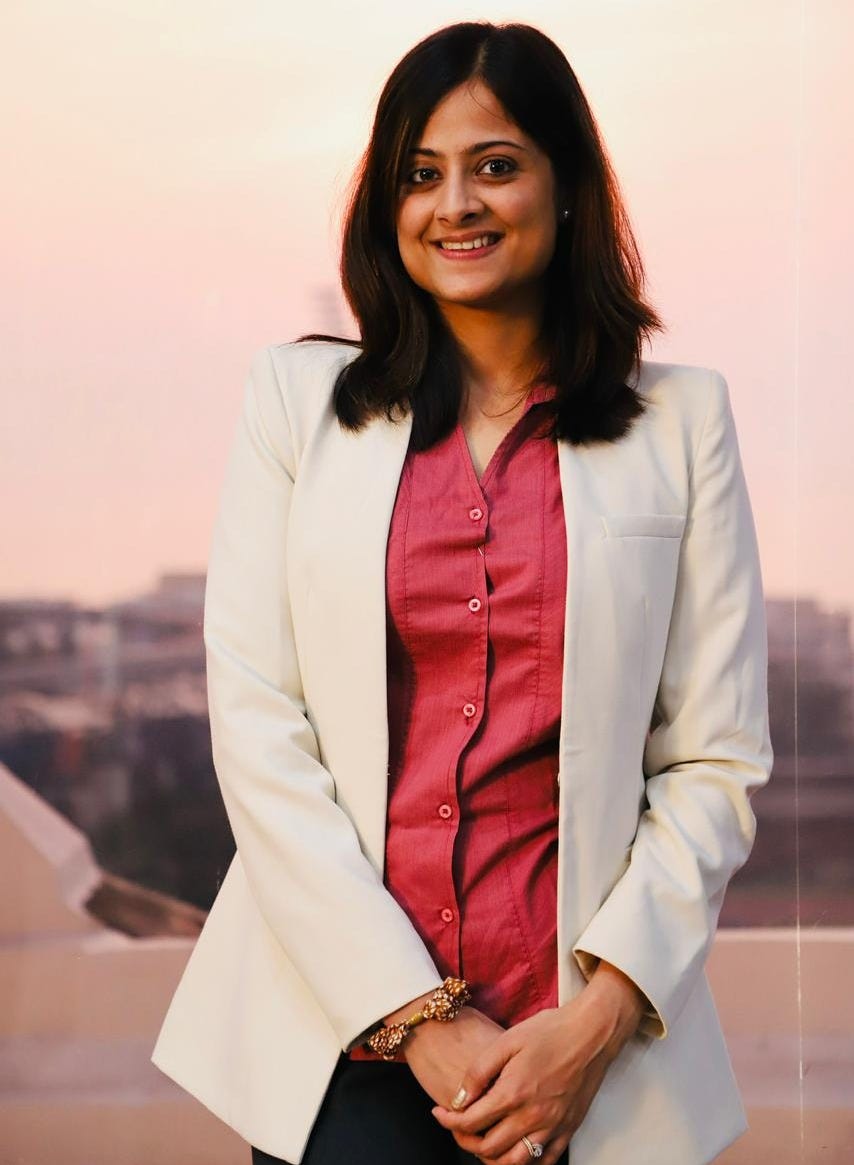
Dr Shivani Agarwal is an obstetrician and gynaecologist trained in Pune, Mumbai and Singapore, with a fellowship in IVF and reproductive medicine. She shares everyday women’s health guidance on Instagram as “your_og_doctor”
This conversation is part of Janitri’s ongoing series with leading voices in maternal and women’s health exploring pregnancy care, high-risk pregnancy management, fetal monitoring and the technology bringing early detection home.
About Janitri
Janitri is built on a simple yet powerful mission: to save lives by supporting women and newborns through the critical 1,000-day journey from pregnancy to early motherhood. Every solution we create is rooted in care, early detection, and the belief that no woman should lose her life while giving life.
With this same spirit, we introduce Janitri Club, a space where we celebrate not designations, but the people behind them. The caregivers, doctors, parents, and supporters who quietly hold this journey together.
Through real stories of emotions, challenges, and victories, Janitri Club brings these voices to life, honouring their experiences and building a community that uplifts everyone who stands beside a woman in her journey.