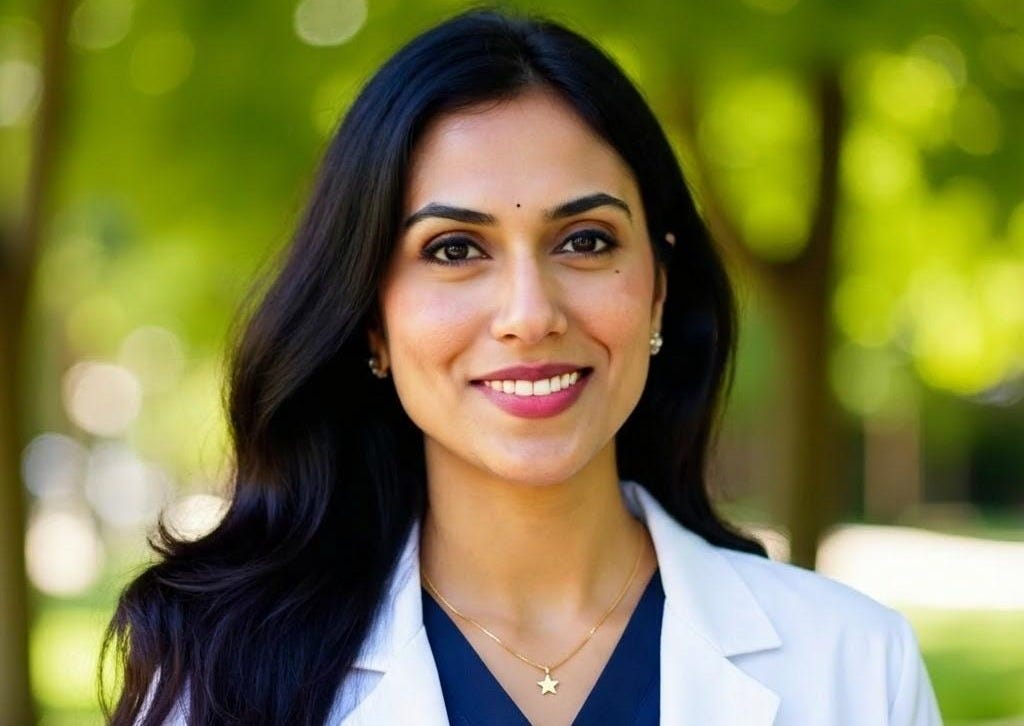
Somewhere in Hassan, decades ago, a boy from a family that owned almost nothing was being quietly watched by his schoolteacher. The teacher had a habit: he picked out the sharpest children in the village and paid to send them on to the district colleges. The boy was one of them. He studied entirely on scholarships, trained as a paediatrician in the United States because a government stipend covered what his family never could, and came home to a district where intravenous fluids were so scarce that doctors boiled water to make their own.
That boy became the first paediatrician in Hassan district. He founded Malnad Nursing Home, which still runs today. And three generations later, his granddaughter would sit down to tell his story as the reason she never once considered being anything other than a doctor.
“Ever since I can remember, if anybody asked me what I wanted to be, I always wanted to be a doctor,” says Dr Sanjana. “I had no second thoughts about it. He was truly inspiring, and he was extremely smart.”
Raised by a family of doctors - and by distance
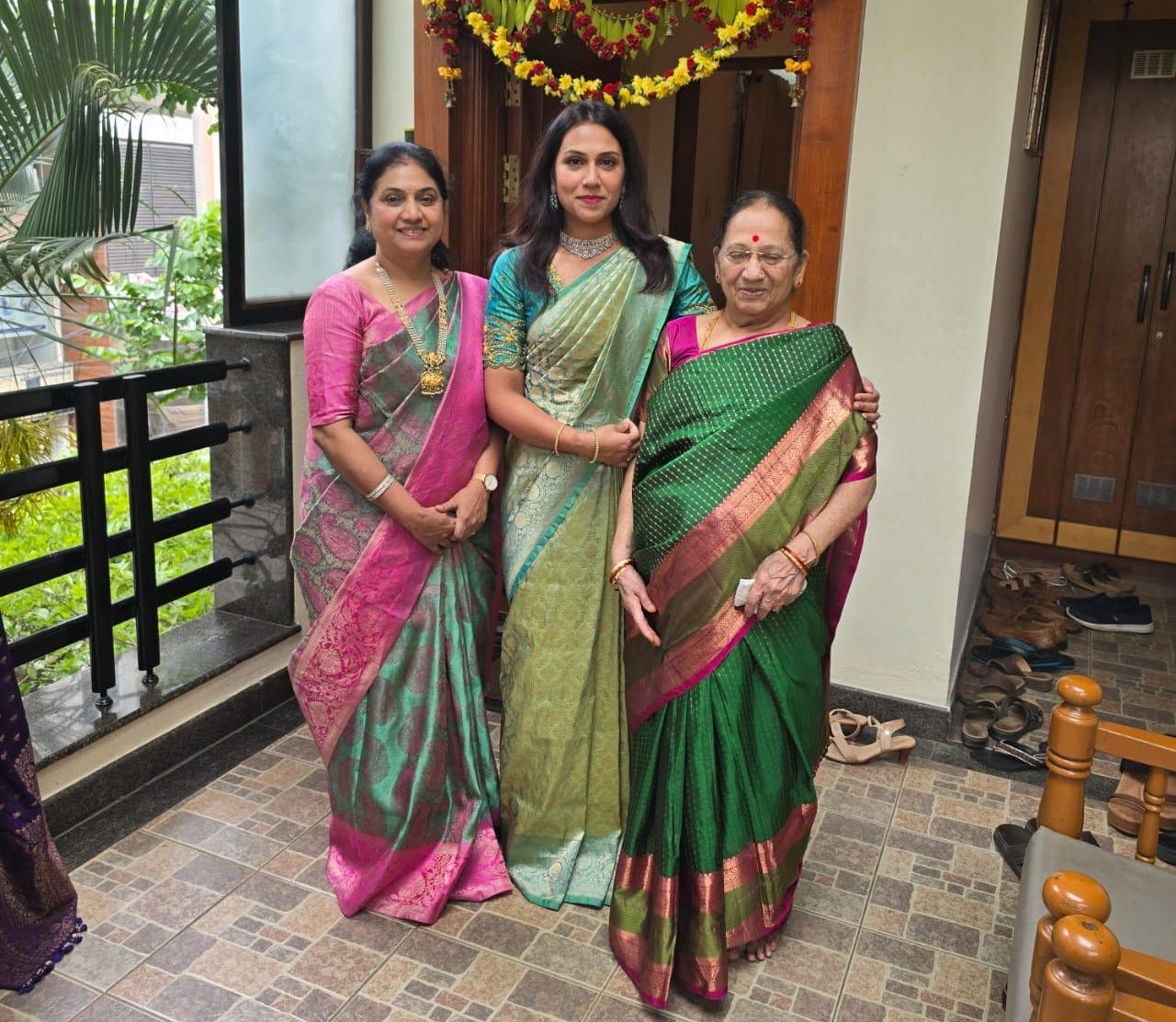
Dr Sanjana grew up in what she describes as a joint family and a nuclear family at once: cousins in different houses, all within the same compound, with her grandfather as its head. Both her parents are doctors too - her mother an obstetrician and gynaecologist, her father a paediatrician - and Malnad Nursing Home, where her mother still practises, was the backdrop of her childhood.
But that childhood was spent almost entirely away from home. She studied in Hassan only until the fifth standard; after that, she attended a residential school in Chikmagalur until the tenth, then Mangalore for her pre-university years, Mysore for her undergraduate degree, and Davangere for her postgraduation. “I’ve never actually lived in my hometown,” she says. Her parents, both consumed by their practice, made a hard choice early on - and carried a quiet guilt about it.
“They always felt they weren’t there to teach me, that they weren’t giving enough for their child,” she remembers. “So they thought a residential school would help me in the long run. And it definitely has made me what I am now.”
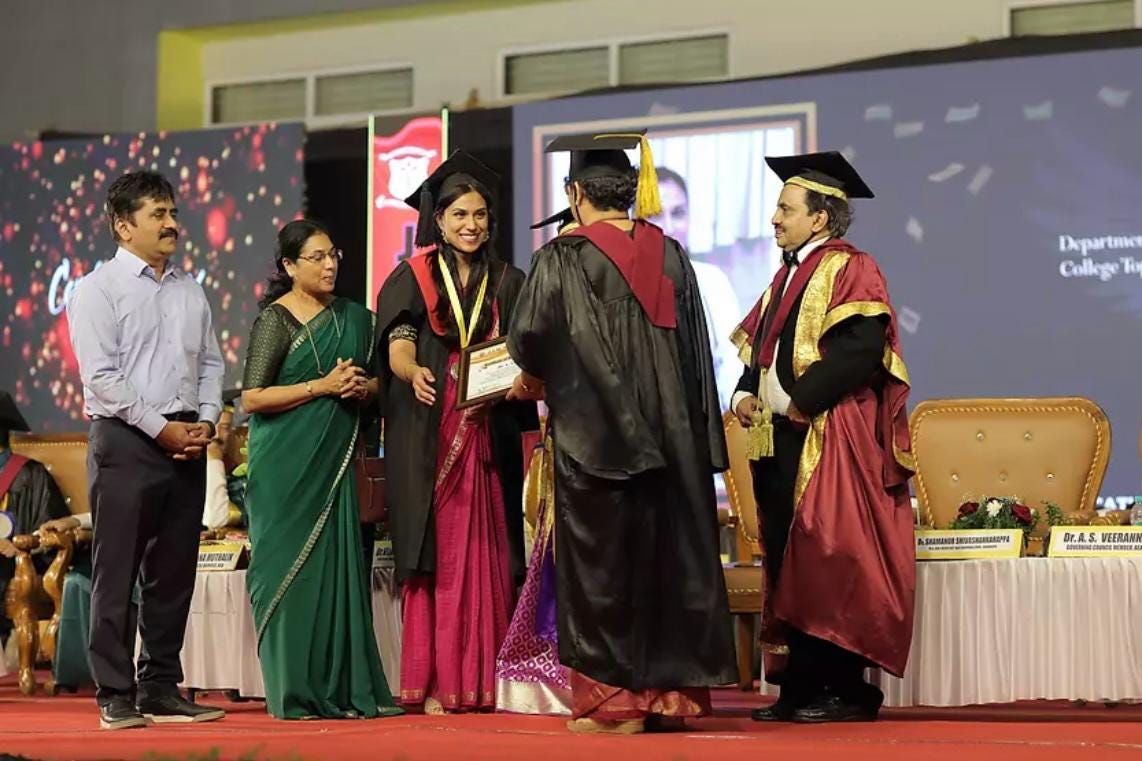
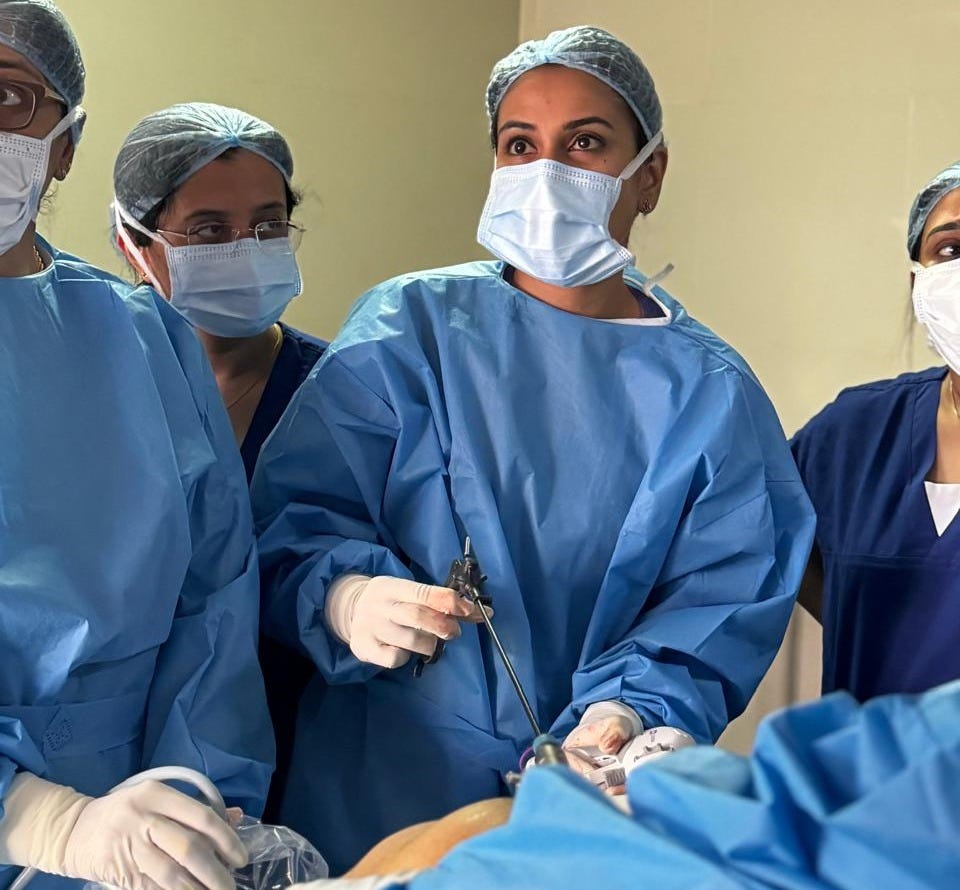
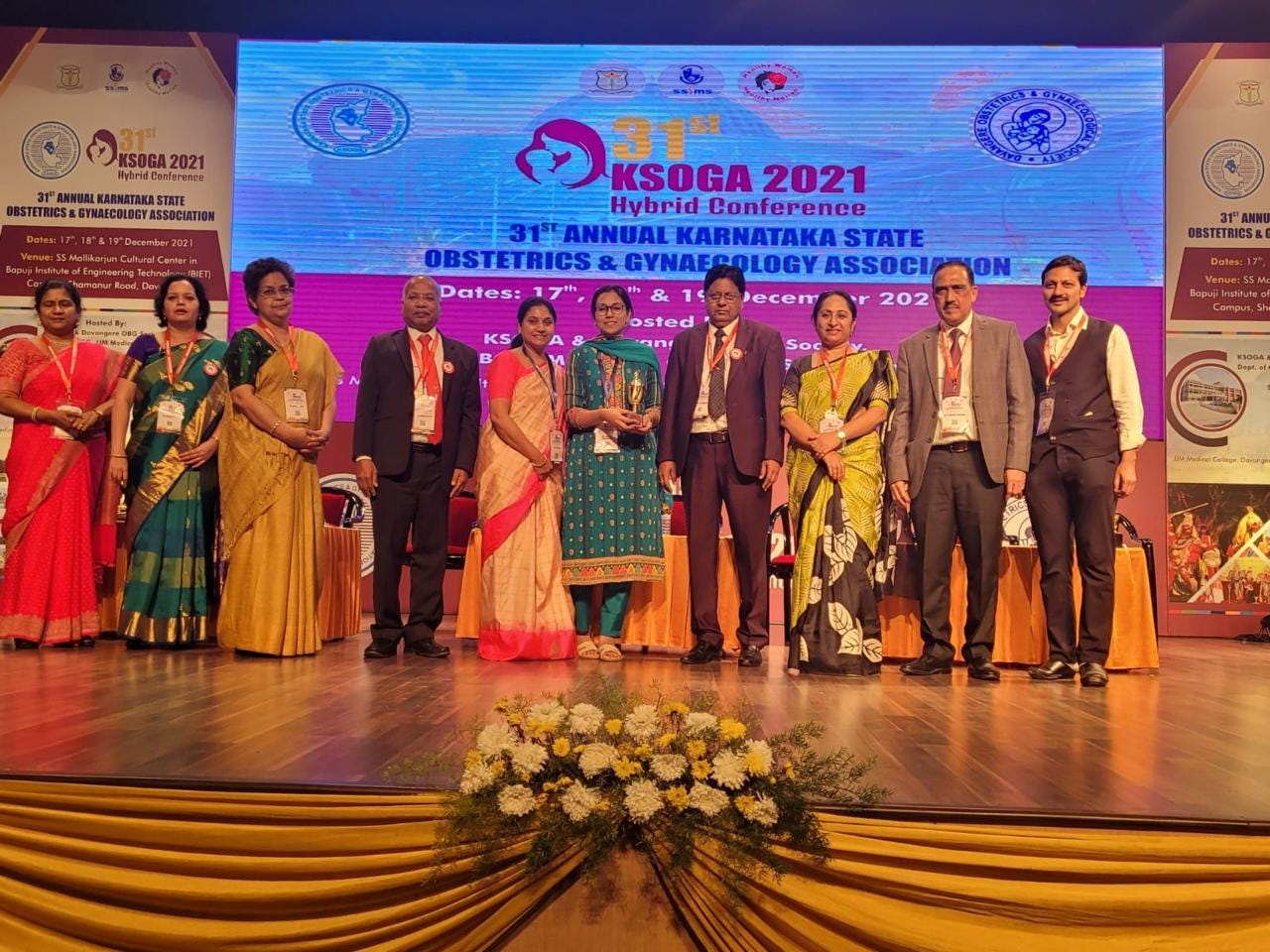
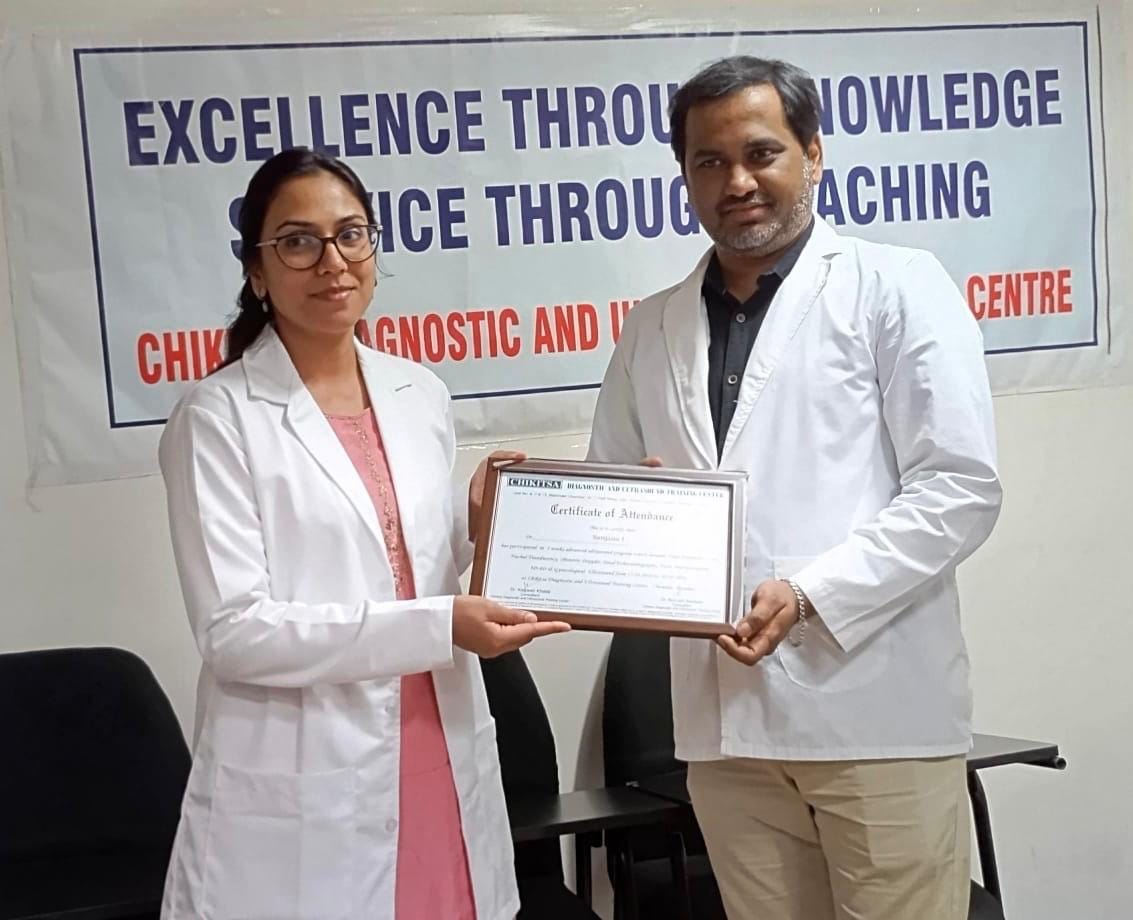
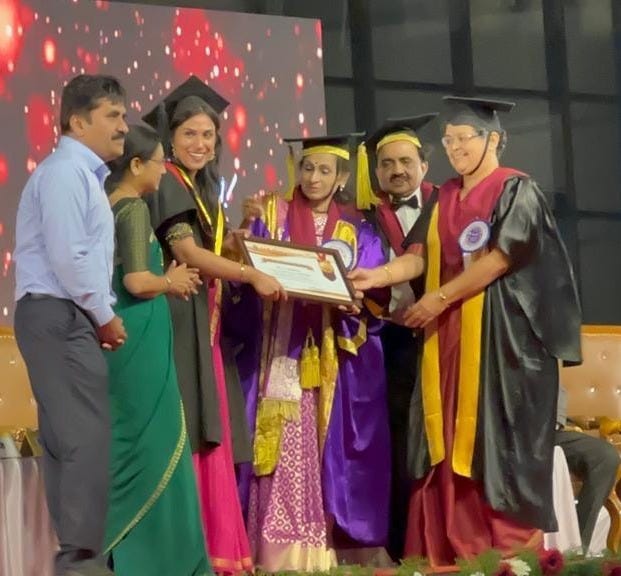
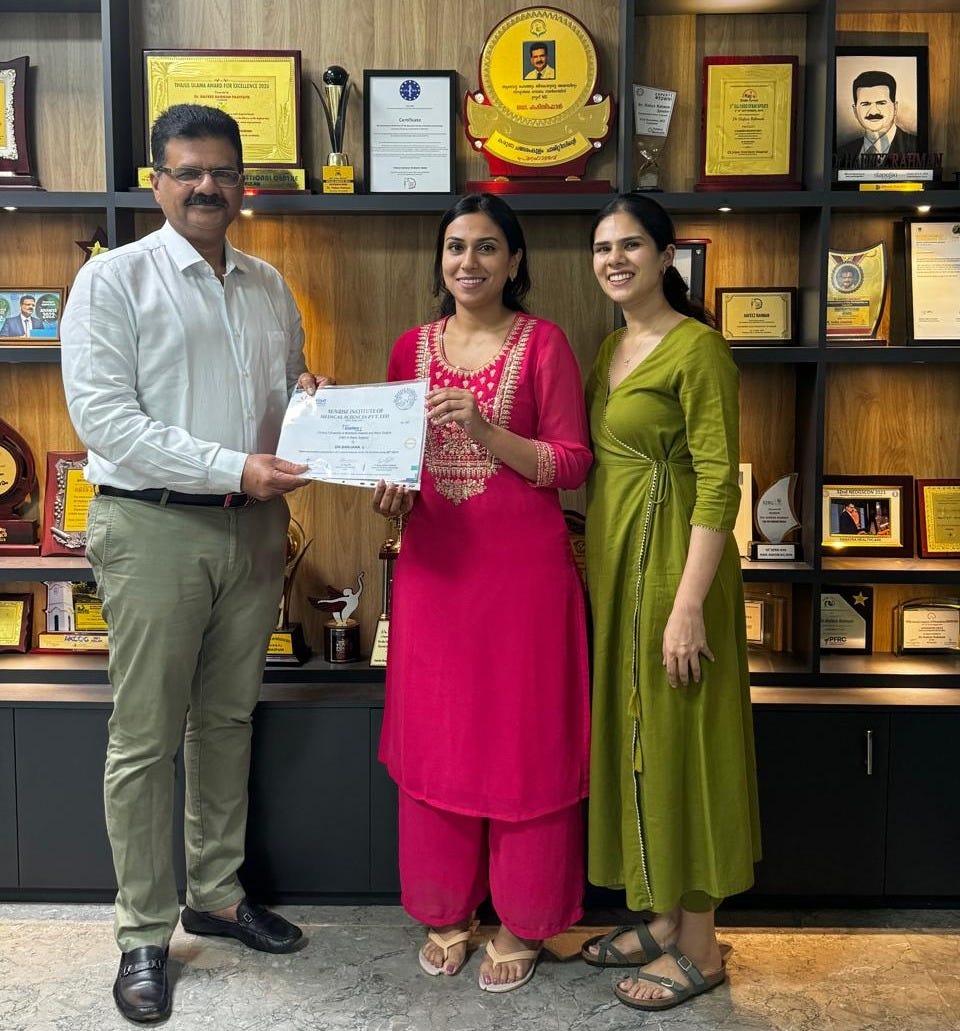
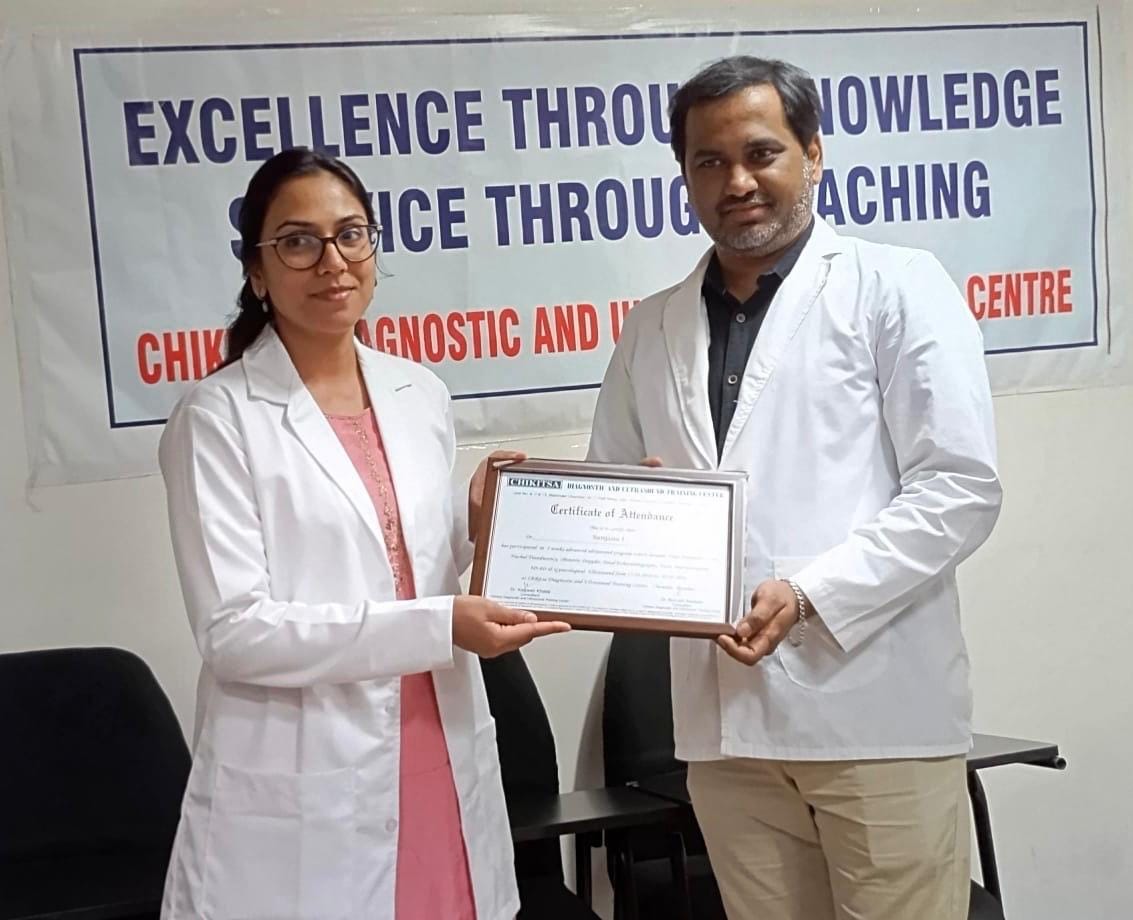
She completed her MBBS at JSS Medical College in Mysore, then her MS in obstetrics and gynaecology at JJM Medical College in Davangere, where she graduated with the gold medal in the subject. From there, she sharpened her craft with two fellowships: minimal access surgery at Sunrise Hospital, Kochi, under the renowned laparoscopic surgeon Dr Hafeez Rahman, and reproductive medicine at Genea Fertility Centre, Bangalore. Today, she wears several coats across the city - consultant obstetrician and gynaecologist at Healthnest Hospital in HSR Layout and at Raghava Multispeciality Hospital in Attibele, and fertility consultant at Milann Fertility Centre in HSR Layout. She also consults back home, at Malnad Nursing Home in Hassan - three generations on, in the hospital her grandfather built.
Why obstetrics? “It has everything.”
Watching her mother decided it. But the subject itself sealed it.
“OBGYN has the best of all worlds,” she says. “It is medicine, it is surgery, it is psychiatry, it is counselling, it is ultrasound - it is everything you want it to be. Because women come to you first. Before they go to a physician, they come to their gynaecologist.” By the time she finished her MBBS, she already knew: this was for me.
The cases that shook her
Some lessons aren’t taught in medical school. Two early encounters in and around Hassan changed the way Dr Sanjana understood her work.
The first was a woman roughly eight months pregnant who developed eclampsia. Convinced she had been possessed by a demon, her village tied her to a tree instead of taking her to a hospital. She did not survive, and the death became a serious issue in the district. “There was such a lack of awareness,” Dr Sanjana says - and it was no isolated incident. Her mother regularly travels to villages with the district health office to run educational programmes, and Dr Sanjana saw up close how much distance still separates medicine from the people who needed it most.
The second was gentler, but just as revealing. A mother walked into the clinic with a severely dehydrated baby she had stopped breastfeeding. Someone in her village had told her that her own milk was poisonous - and she believed it so completely that she demonstrated: she had expressed her milk into a cup, dropped a fly into it, and watched the fly die.
“You can’t laugh, and you can’t tell her she’s wrong,” Dr Sanjana says. “You have to get down to her level and explain why the fly actually died - and that her milk is not poisonous, that she has to feed her child. Watching my mother counsel her, I realised we’re never trained for this in medical school. When it actually happens, you have to be socially aware.”
It is a theme she returns to often: the doctor’s job is not only clinical. It is to meet patients where they are, without judgment.
The pregnancy she will never forget
If those stories are the weight she carries, this one is the light.
A woman in her late forties came to the fertility centre where Dr Sanjana was training. She and her husband had lost both their children to tragedy and had no other family - just each other. She had already reached menopause. Because India’s assisted-reproduction laws allow IVF up to the age of fifty, and through a donor-embryo programme, she conceived.
“Every single antenatal visit, my heart would be in my mouth,” Dr Sanjana recalls. “I just kept hoping the heartbeat was good, that the baby’s growth was good.”
About a year ago, the woman delivered a healthy baby by caesarean. “IVF is such a magical thing,” she says. “That is one of the most beautiful stories I can think of.”
The five who have been there since day one
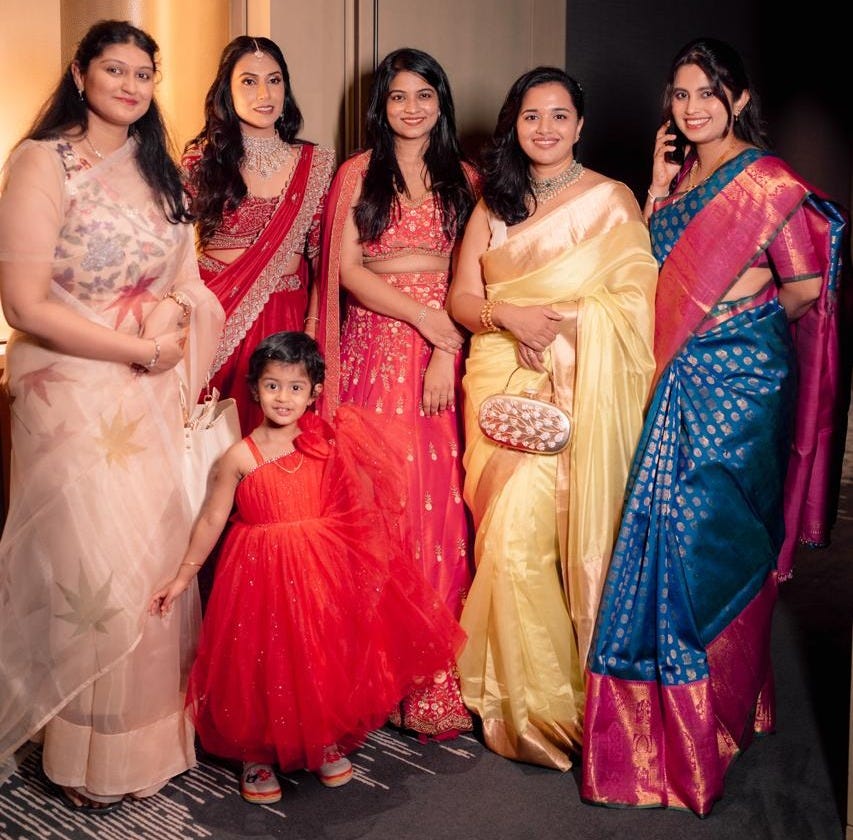
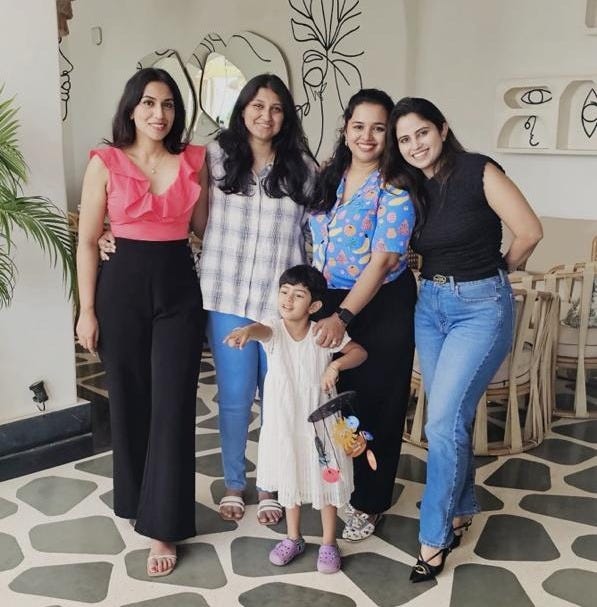
For someone who grew up away from her family, friendship became its own kind of anchor. Dr Sanjana describes herself as deeply introverted - “I don’t make that many friends” - but the ones she made in medical college became sisters. They are a group of five women: two dermatologists, an ophthalmologist, a geriatrician, and herself, the obstetrician.
“They’ve been through every phase of my life since day one of undergrad,” she says. “Even after I finish this interview, I’ll probably call and tell them about it.”
“It is the couple who is getting pregnant”
Much of Dr Sanjana’s philosophy comes back to a single, quietly radical idea: pregnancy is not a solo event.
“It is the couple who is getting pregnant - not the woman,” she says. The wife carries the physical and mental weight, so the husband’s involvement isn’t a nicety; it changes the outcome. In the older era, she points out, it was the wife’s mother or mother-in-law who came along to the checkups. She wants the new-age couple to do it differently: attend antenatal visits together, understand what labour actually is and which stage their partner is in, and be ready for the decisions that can arise on the day.
“When both of them know what’s happening, there’s no doubt - no suspicion that the doctor is simply taking the easier way out,” she says. “The journey becomes something you can actually enjoy and remember.” A supportive partner, in her telling, can turn pregnancy and labour from an ordeal into one of the most beautiful experiences of a couple’s life.
Plan early - before you have to regret it
She is just as direct about planning. With marriages happening later and first pregnancies pushed into the mid-thirties, high-risk pregnancies have become far more common. The old teaching was simple - fertility peaks around thirty and then declines sharply. What she sees now is more unsettling: women as young as twenty-six or twenty-eight arriving with an AMH as low as 0.6, with no idea anything is wrong, postponing pregnancy by a few more years, and then regretting it.
Her advice is blunt and practical: get evaluated early. Soon after marriage, the husband should have a semen analysis and the wife an AMH test, so the couple knows where they stand.
“If your fertility is good, you can consciously decide to delay,” she says. “And if it isn’t - if you’re not physically and emotionally ready right now - at least you’ll know the outcomes of your decision. You can preserve your fertility through egg freezing and get pregnant whenever you’re truly ready.”
On caesareans, trust, and the absence of medals
Few topics draw more public suspicion than rising C-section rates - the assumption that doctors simply prefer the faster, easier route. Dr Sanjana pushes back firmly.
Section rates are climbing, she explains, for reasons that have little to do with convenience. There is far less tolerance for error now, and the very real threat of doctors being sued. In earlier decades, physicians would give a long trial of labour; today, there is simply no room left for things to go wrong. She tells the story of a first-time mother with an android-type pelvis and a baby on the larger side. The couple desperately wanted a normal delivery and were very well motivated - “, and when the woman is motivated, we’re more than happy to conduct it.” The team gave a full trial. But labour stalled at every stage, and although the baby was eventually delivered, there were complications. The family’s first question was the one that haunts every obstetrician: why did this happen?
“At the end of the day, there’s no medal for delivering vaginally and no medal for delivering by section,” she says. “The goal is a healthy mother and a healthy baby. The section rate is rising because we don’t want to leave any room for error, not because doctors are taking the easy way out. That’s what’s portrayed in the media, and a lot of people believe it. I don’t.”
She is equally clear that some caesareans are now a matter of choice. A growing number of women make a conscious decision that they don’t want to go through labour pain - a caesarean delivery on maternal request. “We can’t override their choice,” she says. “We counsel them both ways and explain the pros and cons of each, but the recovery is much the same, and we have to respect the patient’s view.” Modern obstetrics, she adds, is also far better armed than before: excellent ultrasound and continuous monitoring now pick up problems early enough to act on them, which means timely intervention to protect both mother and baby.
It is here that her favourite instruction surfaces, the simplest one of all: trust your doctor - and if you can’t, find one you can. It is also where the conversation turned personal. One of the interviewers recalled her own delivery, the baby’s heart rate sliding from 150 to 90, and the doctor calmly laying out the choice - wait, or proceed to a caesarean - but leaving the decision to her. She chose to trust. The baby was born three minutes after the incision, with meconium already passed; another hour’s wait, she later learned, could have changed everything. She had come to the hospital on instinct that morning, against everyone who told her nothing would happen. Too many families, Dr Sanjana notes, hold out for a normal delivery at any cost and lose precious time. Instinct and trust, together, save lives.
VBAC: possible, but only on the right terms
For mothers who have had a caesarean and hope for a vaginal birth next time, Dr Sanjana is encouraging but careful. A VBAC - vaginal birth after caesarean - is genuinely possible. But two things matter enormously: why the first caesarean was done, and the strength of the existing scar.
“The actual strength of the scar, we can never truly assess,” she explains. “Even an ultrasound only tells us how thick it is. We only really find out during the trial.” That is why a VBAC should be attempted only where there is round-the-clock monitoring, an anaesthetist, and an obstetrician on hand - “because things can happen in minutes,” and an emergency caesarean must be possible at once. Spontaneous labour is far safer; inducing labour after a previous caesarean is a far riskier proposition, because forcing contractions against an unready cervix raises the danger of the scar rupturing. With an adequate pelvis and thorough monitoring, though, a trial is well worth giving.
The complication no one warns them about
The conversation drifted to a danger that even diligent, scan-attending mothers rarely hear of: adhesions. One of the interviewers described her own second delivery, when surgeons had to pause for nearly an hour, waiting for a second doctor to release a scar before the baby could be lifted out. She had felt a clue, in hindsight - an oddly unnatural pelvic pain on standing that, in her first pregnancy, had appeared only in the ninth month, but this time arrived as early as the sixth.
Dr Sanjana’s answer is one she gives every patient who has had a previous caesarean - or any prior open surgery of the pelvis, whether for the ovaries, the appendix, or anything else. The body heals differently in every person, she explains: even if the same surgeon performs ten caesareans, all ten women will heal differently, and some will lay down dense adhesions. The uterus can become stuck to the abdominal wall; the bladder can adhere to the uterus. When that happens, a surgeon has to patiently free one layer at a time before reaching the baby, and where there has been infection, or in the under-resourced rural settings she trained in, the uterus can be so thoroughly plastered that simply opening it takes time. The risks include bladder or bowel injury and long periods of immobilisation afterwards.
This, she says, is why she does not encourage pregnancies after two caesareans. “The third is going to be a high-risk pregnancy,” she tells couples plainly - best understood before the surgery, not discovered during it. In skilled hands, the danger can be managed, but a mother deserves to walk in knowing exactly what she is facing.
What happens after the cut
If there is one gap in Indian maternal care that Dr Sanjana wants closed, it is this: the assumption that the story ends when the baby is delivered.
“It doesn’t just end at the C-section,” she says. “What happens beyond that is most important.” A woman who has been through major abdominal surgery goes home after a few days to a household entirely focused on the newborn - waking through the night to breastfeed, with little attention left for her own healing and little chance to return and ask whether her wound is closing as it should.
Her prescription is a team, not a single doctor. A pelvic physiotherapist to rebuild the pelvic floor and the slackened abdominal wall - guarding against hernias, rectus diastasis and uterine prolapse. A lactation consultant to teach feeding positions, ideally taught in antenatal classes before the baby even arrives. And here she punctures one of the most stubborn myths in the postpartum world: “Spinal anaesthesia will not cause back pain.” The far more common culprit, she says, is poor feeding posture in a first-time mother who was never shown the right way.
She is equally firm on wound care and just as keen to bust the fear around it. Mothers are often terrified to bathe after a caesarean, convinced the wound will become infected - which she says is simply wrong. Keep it dry, shower regularly, and watch for the real warning signs: unusual discharge, foul smell, abnormal pain. Anything off should go straight to the doctor. Good nutrition and supplements, she adds, should continue for a full three months.
Even the lingering belly has an answer. Many women skip the postpartum belt and later despair at abdominal fat that won’t shift. It can still go, Dr Sanjana reassures them - central abdominal fat is the most stubborn kind, but consistent core-strengthening work will reduce it, even well after delivery.
Bringing the monitoring home
For higher-risk pregnancies - and she stresses how common those have become - Dr Sanjana sees real value in carrying the hospital’s vigilance into the home. Mothers, especially in smaller cities, often travel long distances for a single checkup. If they can send a non-stress-test reading from home between visits, she says, both doctor and patient are reassured.
There is real fear behind that reassurance. A stillbirth at term, she says quietly, is the worst thing an obstetrician can face - and the most devastating thing that can happen to a mother. Regular monitoring eases that anxiety on both sides. “It is a beautiful thing which has come,” she says of home monitoring devices - and yes, she would recommend them to her own mothers without hesitation.
If she could change one thing
Asked, at the end, what single thing she would change about the world if she had the power, Dr Sanjana doesn’t reach for anything grand. She reaches, instead, for the same idea she began with - that pregnancy belongs to two people, not one.
She would find a way for fathers to feel it. “If men could go through some variation of what the mother goes through, they would understand what she feels,” she says. “It should be a shared experience.” It is a fitting wish from a doctor whose entire philosophy rests on a single sentence - that it is the couple, not the woman alone, who is getting pregnant - and a reminder that the most important monitoring of all may be one person paying close, loving attention to another.
What Dr Sanjana wants every couple to know
Pregnancy is a shared journey. Partners should attend antenatal visits, learn what labour involves, and be ready to make informed decisions together.
Test your fertility early. Soon after marriage, consider a semen analysis for him and an AMH test for her - so you can plan, not regret.
Know your options if you’re delaying. Egg freezing and fertility preservation exist for a reason.
Trust your doctor - or change your doctor. A C-section is not a failure; a healthy mother and baby are the only finish line that counts.
A VBAC can be safe with the right indication, spontaneous labour, and a fully equipped centre - but the scar’s true strength only reveals itself in a closely monitored trial.
Be aware of adhesions, especially after two caesareans. A third pregnancy is high-risk; understand the risks - including bladder or bowel injury - before, not during.
Recovery needs a team. Pelvic physiotherapy, lactation support, good wound care, three months of nutrition and supplements. That nagging back pain is usually from your posture, not your epidural - and it’s safe to shower; just keep the wound dry and watch for warning signs.
The belly can still go. Central abdominal fat is stubborn but responds to consistent core work, even later.
For high-risk pregnancies, monitoring can come home. Home NST readings shared with your doctor ease anxiety and help everyone wait for the right moment.
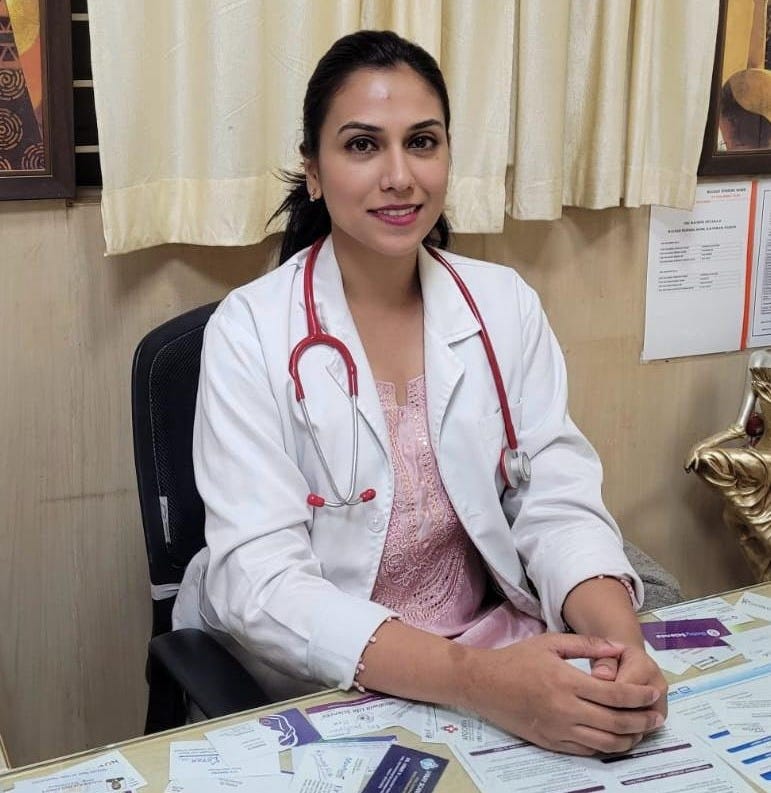
Dr Sanjana Lakshmikanth (MBBS, MS - OBG, gold medallist) is a consultant obstetrician-gynaecologist and fertility specialist. She practises at Healthnest Hospital and Milann Fertility Centre in HSR Layout, Bangalore; at Raghava Multispeciality Hospital, Attibele; and at Malnad Nursing Home, Hassan.
This conversation is part of Janitri’s ongoing series with leading voices in maternal, New Born and women’s health exploring pregnancy care, high-risk pregnancy management, fetal monitoring and the technology bringing early detection home.
About Janitri
Janitri is built on a simple yet powerful mission: to save lives by supporting women and newborns through the critical 1,000-day journey from pregnancy to early motherhood. Every solution we create is rooted in care, early detection, and the belief that no woman should lose her life while giving life.
With this same spirit, we introduce Janitri Club, a space where we celebrate not designations, but the people behind them. The caregivers, doctors, parents, and supporters who quietly hold this journey together.
Through real stories of emotions, challenges, and victories, Janitri Club brings these voices to life, honouring their experiences and building a community that uplifts everyone who stands beside a woman in her journey.