


The ambulance never made it.
On February 29th, 1960, snow buried Shimla so deep that even emergency vehicles surrendered to the drifts. Somewhere in that white silence, a baby was being born at home, delivered by a dai, while an obstetrician fought through snow that had swallowed the roads.
“Despite being an obstetrician, I am a child born at home,” Dr. Alka Sehgal says now, decades later. “By the time the obstetrician reached, I was born.”
Her mother remembers it was roughly 5:30 PM. Nobody else was home, someone had gone for milk, someone had gone out. The basics of survival in a Himalayan winter.
“So a great obstetrician was born at home,” Dr. Alka says. “That’s how I look at it.”
But to understand how a snowstorm birth became the origin story for one of India’s pioneering researchers in hepatitis B vaccination, you have to go back further. Back to partition. Back to a father whose own father died of a heart attack after losing everything. Back to the principle that would define everything: human beings are so flexible, they can adjust to anything.
The Shimla That Was
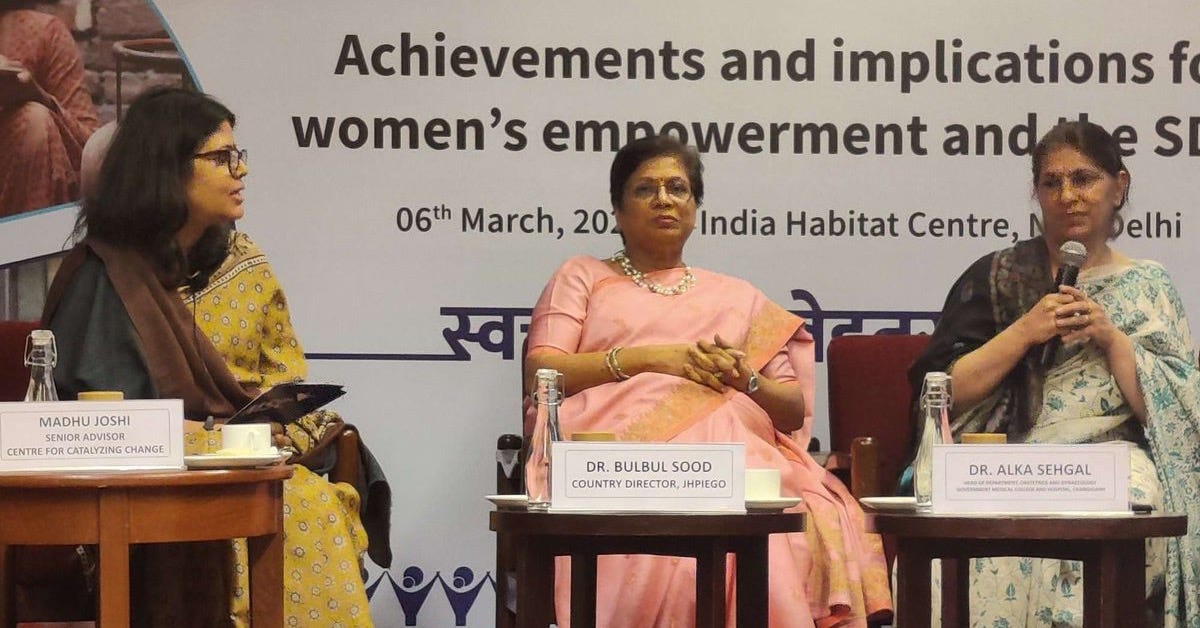
There are two Shimlas in Dr. Alka’s memory.
There’s the Shimla of now, cement city, cars everywhere, the green devoured by development.
And there’s the Shimla she knew: “It was mountains with a lot of greenery around, lot of pine trees, very narrow roads but very little traffic and the houses used to be scattered, connected with small narrow roads, somewhere stairs.”
The tracks between houses were the children’s domain. Footpaths carved through pine forests where kids ran despite their mothers’ warnings.
“I can still remember with nostalgia my mother calling from behind: you would fall down, you know, always getting those alarms because you would be running on those tracks which would be very scary to even walk on.”
Her father had come from Pakistan after partition. His own father, a successful businessman, was offered compensation for everything lost. “He heard and got a heart attack and died.”
So Dr. Alka’s father supported his own education, started working very early, rose to become the finance officer of Himachal Pradesh University. A man who understood what could and couldn’t be taken away.
Her mother had a PhD in Ramcharitramanas. But her father wouldn’t allow her to work; he wanted his mother cared for, the family tended. “My father was very conscious about nutrition,” Dr. Alka remembers. “Lots of fruits, lots of nuts, lot of vegetables, very little fat.”
He read constantly. So did her mother. Education was their primary concern.
The house was British-made. Huge windows, cemented floors, opposite a helipad. Between the lowest part of Shimla and the highest mountain: a carpet of pine trees. “One of the most scenic beauties is sunset of mountains. And occasionally I do remember rainbows in the rainy season.”
But the snow, the snow was something else entirely.
“We have seen the snowfalls of heights of 6 feet,” Dr. Alka says. “Our fence used to be about 3 to 4 feet and I’ve seen the highest above the fence.”
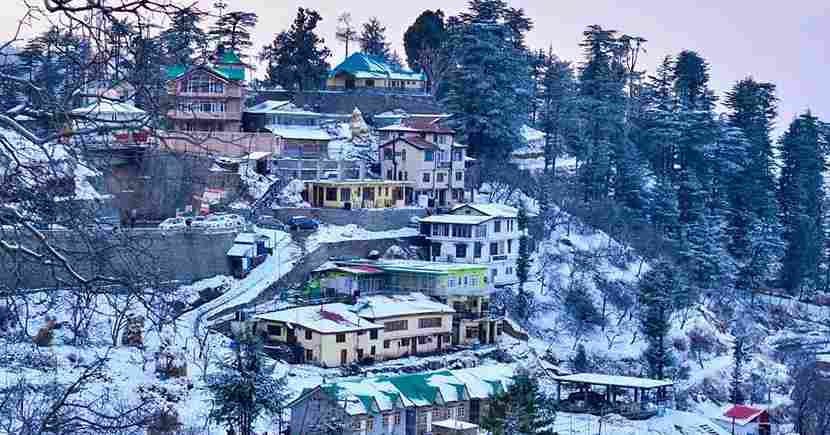
The most beautiful moments came at midnight when snow fell slowly, silently. Parents would wake the children to witness it. “The night scene in a snowfall is just beautiful, everything is white, untouched. The trees are covered with snow. And that reflection, if it is a starry and a moon night, that white reflection is like silver spread all over.”
Children made snowmen. Natural ice creams by leaving flavored juices outside overnight. But there was also this: “In the morning, they would make path for the people. Whosoever could, they would try to clean the road a little part of it so that people can come, stand on it.”
Social service is learned in childhood itself. Clearing paths for others just because you can.
The Year the World Expanded
Around ninth standard, everything changed.
Dr. Alka’s father, an expert in finance, had a student who became the first finance minister of independent Tanzania. That student wanted him to come. So for two years, the family went to Tanzania.
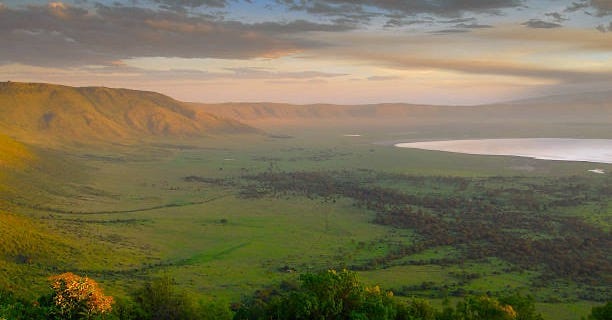
The journey itself was transformative. Mother traveling alone with three kids via Bombay. Staying at the Taj Hotel. Seeing the sea for the first time. “First flight when I was just still in eighth standard, which was a huge thing at in that era, especially for people who lived in small hill stations.”
But here’s what struck deepest: “When I left Shimla, which was the coldest day of Shimla, 25th December, we flew to the hottest weather in Tanzania. I’d never seen that much of heat ever.”
The lesson embedded itself immediately. “What I personally learned from that was that human beings are so flexible. They can adjust. I still remember my face would go absolutely red if I just stepped into the sun.”
This flexibility, this capacity to survive extremes, became foundational. “Any human being can adjust to anything. That’s a lesson which I carry from that day to this day.”
What Tanzania Taught
The diversity was overwhelming. People from Africa, from different Indian states. Her next-door neighbor was the personal secretary of Prime Minister J.K. Nyerere. Dr. Alka started her stamp collection there. Her coin collection from different countries.
There were community dinners where each floor of the building contributed, one floor brought food, another drinks, another entertainment. Beaches. High tides. Low tides. Collecting shells for school competitions.
Her Nigerian friends made different hairstyles with her long straight hair during lunch breaks. “It was different level of kinship with them.” Eating with them. Sharing festivals irrespective of one’s religion.
“That probably increased my horizon so much because you are learning about the culture of your own country which probably many people in my age would not get.”
Even the language barrier taught something. Shopping without English, without Swahili. “How we started interacting with them in the language of signs. Sometimes we are at a wrong, sometimes they are at a wrong, but it is real fun.”
When they returned to India, Dr. Alka was different. “I came back a very different person, learned many more things than I would have in small town of Shimla. So I was much more open-minded.”
She wore dresses that had never been heard of in Shimla. For the first time, she had attended a co-educational school. “I was not bothered what people think. Stop bothering what people think because I know there are people who live there, they wear these dresses.”
But perhaps the deepest realization was about human connection: “At human levels, the emotions are probably the same, the needs are the same, things are the same. The differences are at the level of our thoughts, our behaviors.”
The Dream She Inherited
Medicine wasn’t her dream. “It’s not that it was my dream.”
The influence came from multiple directions. Her mother had gotten admission into medicine but her grandfather couldn’t afford it. “So probably she missed on it.” That unfulfilled dream lived in her mother’s eyes.
Dr. Alka also saw how society treated doctors. The respect accorded. “Two of my maternal uncles are doctors. The kind of house and the facilities they had and the kind of respect they earned, that does seep in somewhere within you.”
Her father kept talking about something else: “I want my kids to start their careers from where I ended, as class one officer.”
When they returned from Tanzania, Dr. Alka’s father restricted her choices. “If you want to go for higher education, it has to be within Shimla. He was still conservative and orthodox.”
Eventually: “I got into my local college. It is called IGMC, Indira Gandhi Medical College.”
When she told her mother about getting into postgraduation years later, her mother told her one thing she never forgot: “You are born as a human being. Then you became a doctor and then you became a specialist. Stay the same with the patient. Be a human being first, be a general physician second, and then come to your specialty.”
The Research That Mattered
Marriage came after MBBS. Her husband had gotten into PGI Chandigarh. “The next aim was getting into Chandigarh. Premium Institute.”
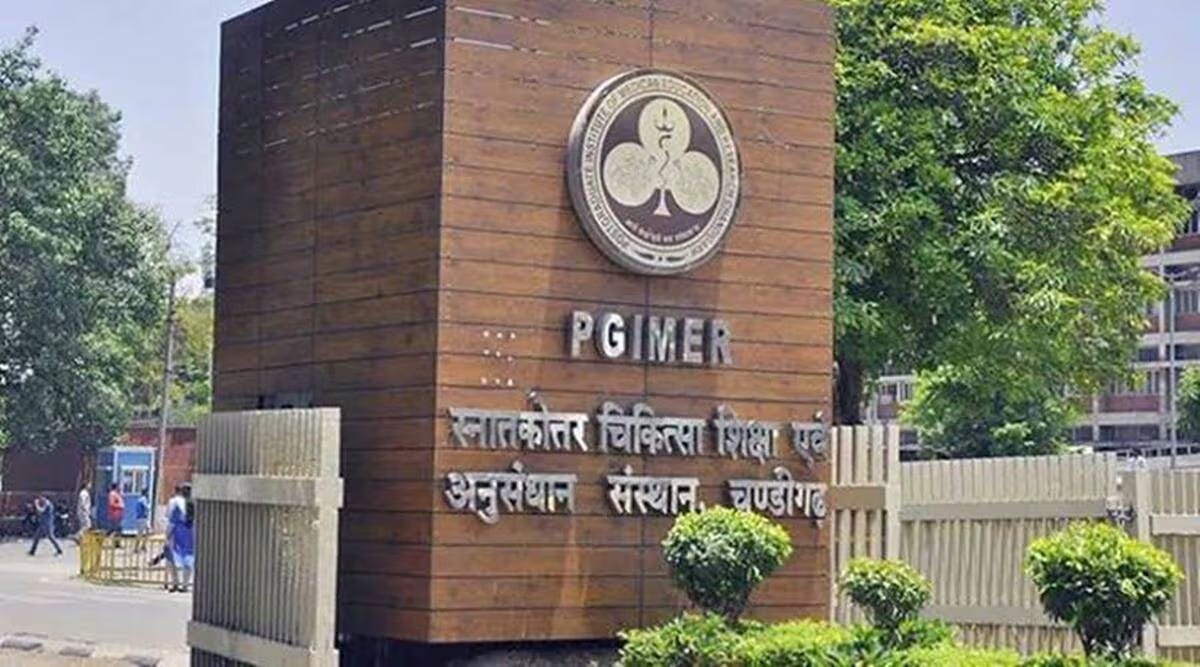
PGI was different. “When I came to PGI, my passion for teaching and research increased along with healing.”
Her husband’s boss’s wife, a gynaecologist at PGI, became her mentor. But it was the research that opened new worlds.
“Courtesy my husband, I stepped into post-graduation with a thesis which gave us the novelty of pioneer of hepatitis B vaccinology in India.”
This was the early 1990s. India didn’t have hepatitis B vaccines yet. “We got those vaccines from Korea.”
The thesis was demanding: identify hepatitis B carrier mothers, segregate their newborns, test them, vaccinate with two different protocols. Follow up for six months.
The original schedule was 0, 1, and 2 months. But when they studied antibody levels, “then we realized probably the schedule needs to be 0, 1, and 6.”
Out of passion, they kept following the children even after the thesis was complete. Traveling. Convincing families. Taking blood samples. “We still maintain those relations with many of them. We became more of family physicians for them.”
This became her pattern: research that stayed connected to real people.
The Year That Got Away
Due to limitations in getting senior residency immediately, Dr. Alka spent a year in preventive and social medicine, visiting rural areas in Haryana.
She started new systems. Family copy records. Linkage between the village and PGI. Gynecology examination camps. Pap smears-”way back in ‘92.”
She worked on understanding women’s hesitations, how to overcome them. She wrote a paper. “It went on to be the best essay amongst the nine essays of UNICEF that year.”
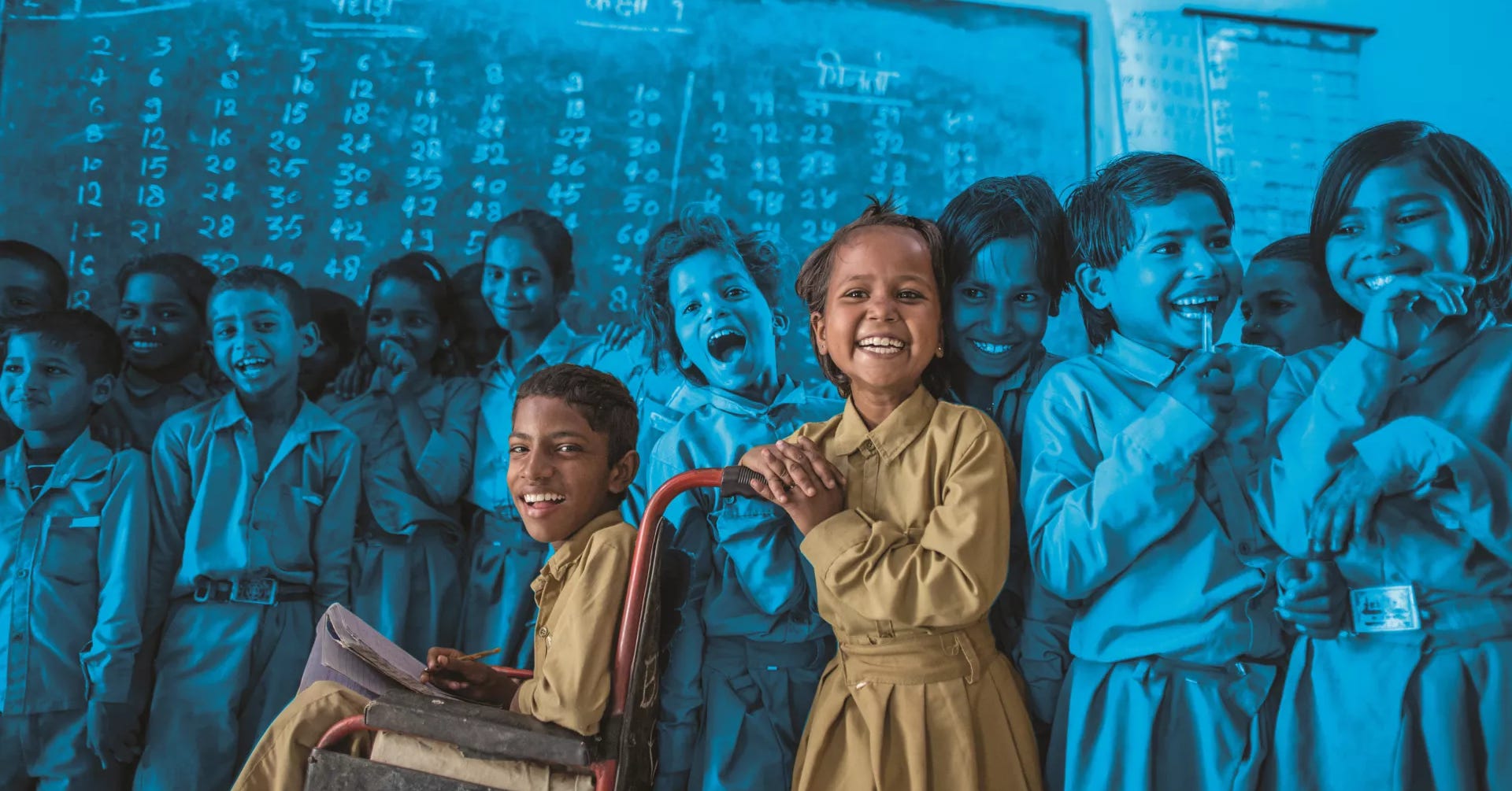
After presenting at an international conference, UNICEF made offers. Multiple offers. Time to think.
“Probably I missed on understanding what is the significance of working in UNICEF at that age.”
She had two small kids. She wanted to be a clinician. She was comfortable in Chandigarh. “I rejected that. I got it twice.”
Her husband tried to make her understand. “He kept telling me: you are not even understanding what you are being offered. Opportunities don’t knock everyone’s door and they don’t knock often.”
Now: “I would say I regret that decision. But if I had joined at that time, I can imagine where I would be today.”
But there’s softness when she adds: “Now I understand the language of spirituality much better. There’s something destined for you. So maybe it was a wrong choice at that time, but probably there was something else waiting for me already.”
Why Obstetrics Is Different
“Everybody comes for a good news,” Dr. Alka says. “And if something goes wrong, they are not prepared for it.”
This is what makes obstetrics different. “The person who’s coming to you is not sick. She was under your care for the last 9 months. Family is not prepared for a loss. So they are awaiting some good news.”
Anything that happens around delivery doesn’t have the same implications as declaring death for a sick patient. “They’re just not prepared for it. This is why you have lot of violence, you have lot of consumer cases related to obstetrics.”
But Dr. Alka pushes further: it’s not just about preventing death. “Just by preventing a death does not mean that that person is going to be absolutely healthy times to come.” Morbidity, chronic debilitating conditions, needs follow-up too.
Her approach is systematic: anticipate complications, prevent if possible, recognize early, intervene.
But underlying everything: “One thing which can reduce all this load is contraception. By preventing unnecessary pregnancy, population control, you will be able to share the same facilities with much better outcomes.”
She goes further: “Incentives have done their job. Now is the phase when disincentives should be introduced.”
The Human Being First
When Dr. Alka talks to the public about doctors, she returns to her mother’s words. This is what she wants people to understand:
“The person is only a human being. We are no demigods. We don’t have right on the life and death. This is beyond us. If we did, no doctor would die, none would get sick, their relatives, their families, nothing would happen to them.”
Doctors are born as human beings with the same weaknesses, the same limitations. “Only thing is that the profession gives a lot of responsibility on our shoulders. We are dealing with life. But they should also understand life is not in our hands.”
The communication gap? “It may be because of work pressures, because of the ratio of doctor to patient. It may be because what I am talking today is not a part of any medical teaching. This is also coming out of experience.”
What she wants from patients: understanding, better communication, documentation of consent, and above all, no violence. “Violence is not going to serve any purpose. You have your whole life to handle situations, but not at that moment.”
For new mothers, her advice is direct: use technology for learning, concentrate on what not to do, ensure family support for sleep deprivation, watch for psychological complications often attributed only to sleep deprivation, sustain diet and exercise during lactation, understand contraception thoroughly.
For fathers: “There’s a facility of paternity leave, they must avail those.” Share sleep deprivation, nappy care, responsibilities. “No smoking, no drinking. We tell women to avoid this during pregnancy. Men should avoid those things too.”
The Flexibility Principle
Dr. Alka Sehgal’s life has been an exercise in adjustment. From Shimla’s coldest day to Tanzania’s hottest weather. From a small mountain town to international exposure. From pioneer hepatitis B research to community medicine in villages.
Every transition taught the same lesson she learned at thirteen: human beings are so flexible, they can adjust to anything.
When she rejected the UNICEF offer, maybe it wasn’t the right choice by external metrics. But she adjusted. She found other ways to contribute. She taught generations. She pioneered protocols. She wrote papers that became best essays.
The roads not taken don’t erase the paths you did walk.
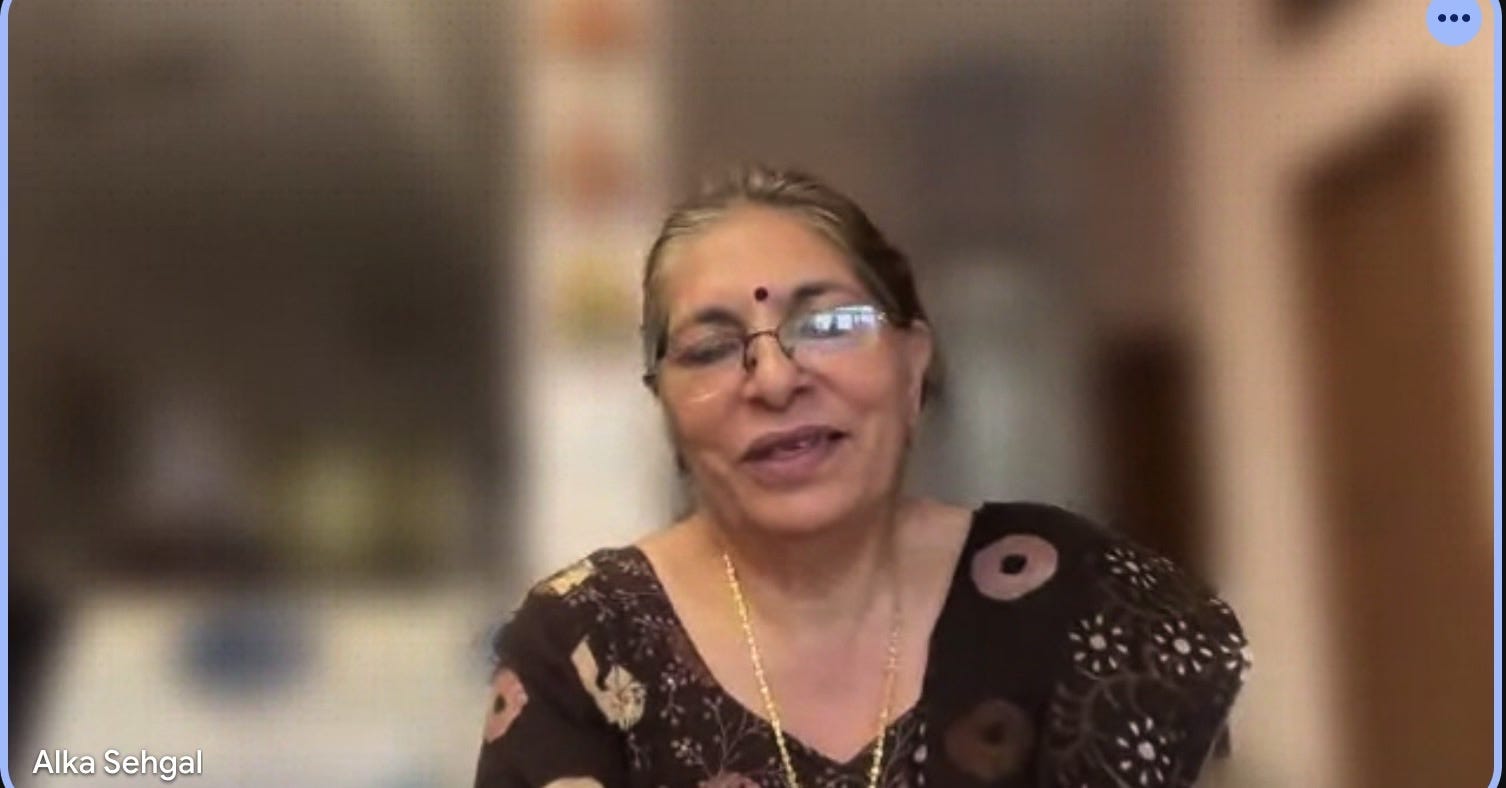
Now, superannuated but still active, still thinking about healthcare gaps and maternal mortality, she embodies the lesson from that day of snowstorm, the day she was born:
Sometimes the ambulance doesn’t make it. Sometimes you work with who and what is available. Sometimes the best you can do is exactly enough.
The snow taught her flexibility. Tanzania taught her that emotions are the same across cultures. Her patients taught her that listening matters more than technology.
And throughout everything, that childhood lesson kept proving true: when humans need to adjust, when conditions demand flexibility, when the ambulance can’t get through the snow, we find a way!
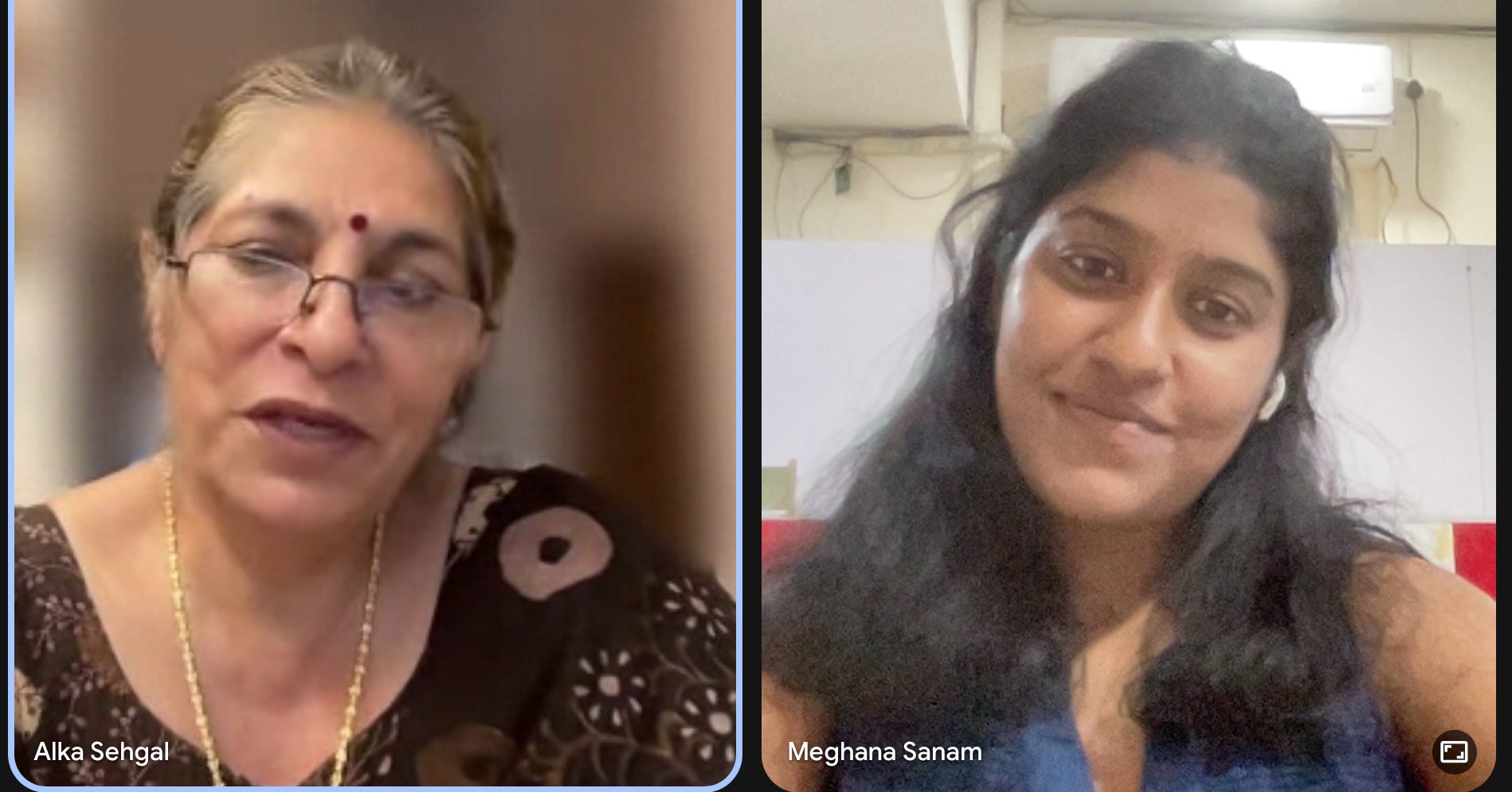
Dr. Alka Sehgal is an obstetrician-gynecologist who pioneered hepatitis B vaccination research in India during the early 1990s. Born in Shimla in 1960, she completed her MBBS from Indira Gandhi Medical College and her postgraduation from PGI Chandigarh, where she also conducted groundbreaking work in community medicine and maternal health.
She believes that doctors must remain human beings first, physicians second, and specialists third, a principle taught by her mother that guides her approach to medicine and life.